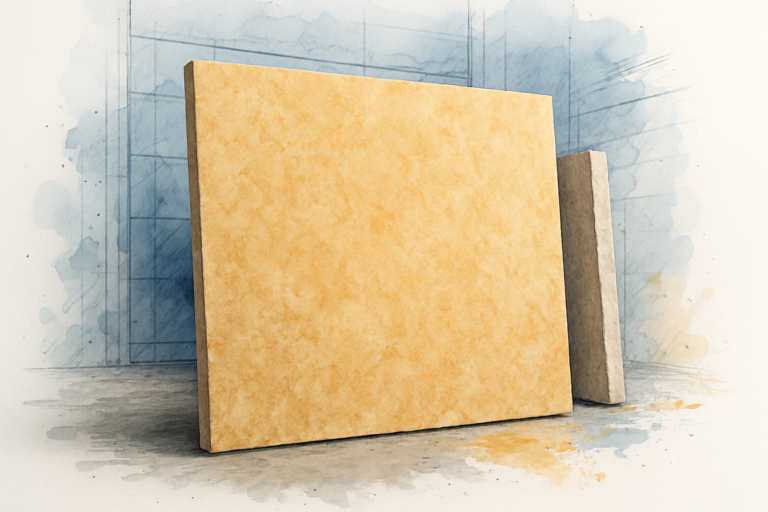
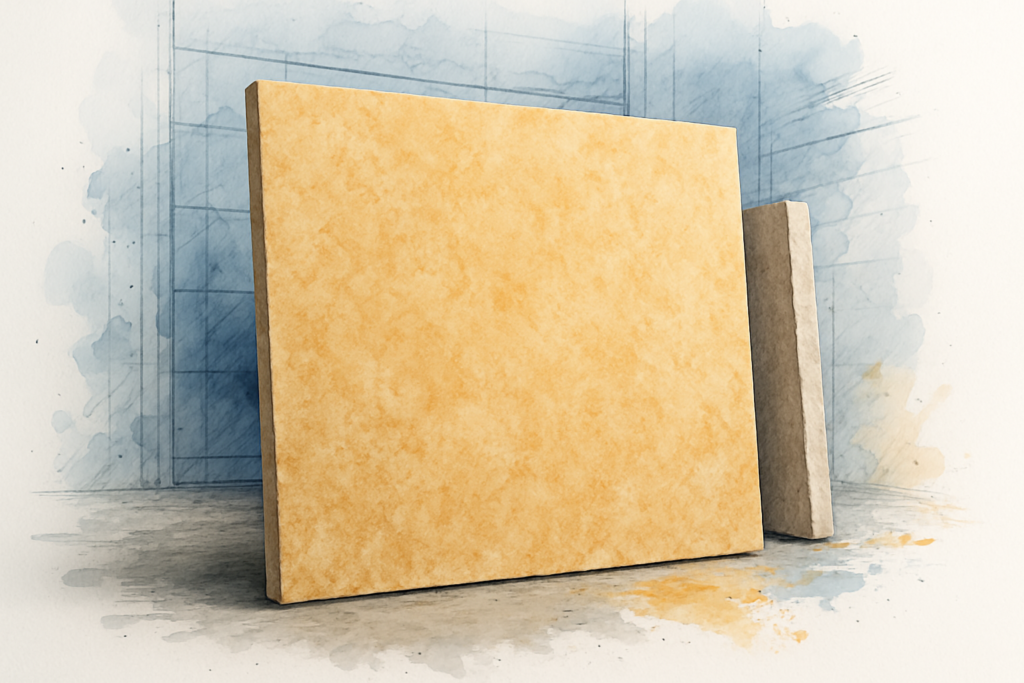
Direct Answer: Jerusalem stone is a category of dense limestone quarried near Jerusalem, Israel, ranging from white and ivory to warm gold and tawny tones. It works well in entryways, feature walls, fireplace surrounds, and exterior cladding — but it requires sealing and is not acid-resistant.
Homeowners researching Jerusalem stone often come across it first in a photograph of a synagogue, a civic building, or a cultural center — and then wonder whether that same material belongs in a kitchen or a Pebble Beach entryway. The honest answer is yes, but the reasons why are worth understanding before you commit.
Jerusalem stone isn’t a single material. It’s a category of limestone quarried from ancient deposits in and around Jerusalem, Israel, and it comes in several distinct varieties — each with its own color range, density, and character. What they share is a warmth and visual weight that cooler stones like quartzite or polished granite simply don’t replicate.
If you’ve been trying to figure out what this material actually is, how it behaves in a real home, and whether it’s the right call for your project, this article answers those questions in plain terms.
What Jerusalem Stone Actually Is
The term “Jerusalem stone” covers a group of limestones — and in some classifications, related dolomitic stones — quarried from deposits that have been worked for thousands of years in the hills around Jerusalem. The most historically significant variety is meleke, which is the same stone used in the Western Wall. That’s not a marketing claim; it’s a material fact that tells you something real about the stone’s longevity under demanding conditions.
Color ranges across the category from white and ivory to soft gold, pink, and warm tawny tones depending on the specific variety and where in the deposit it was quarried. Carmel Stone Imports carries three primary options from this family:
- Jerusalem Gold — warm amber and honey tones with natural variation across the face
- Jerusalem Grey Gold — a cooler, more neutral palette that reads closer to greige in certain lights
- Thin-veneer format — a lighter-weight option specifically suited to interior walls and kitchen backsplashes where structural weight is a constraint
One characteristic that surprises many homeowners: meleke, when freshly cut, is relatively soft and easy to work. Exposure to air causes it to harden progressively and develop the characteristic golden surface tone that architects have specified for centuries. According to the Natural Stone Institute, this air-hardening behavior — called case hardening — is a documented property of certain calcarenite limestones and is one reason the stone has performed so well in outdoor applications across the Middle East for millennia. The practical takeaway is that the stone in year ten is genuinely more durable than the stone in year one, and the patina that develops over time is the material doing exactly what it’s supposed to do.

Where Jerusalem Stone Performs — and Where It Doesn’t
Because it’s a limestone, Jerusalem stone sits in a different performance category than granite or quartzite. It is dense and durable enough for floors, wall cladding, and countertops in the right applications. But it is porous, and it will respond to acids — citrus juice, vinegar, certain household cleaners — by etching the surface over time.
That’s not a disqualifying flaw. It’s a characteristic worth understanding so you can decide honestly whether this material fits your life.
The right homeowner for Jerusalem stone is someone who appreciates a material that develops character over decades, not someone who wants a surface that looks identical in year fifteen as it did on installation day. A honed or brushed finish — which most designers specify for this material — hides subtle etch marks far better than a polished surface would. And regular sealing, typically once every one to two years depending on use, keeps the porosity manageable.
Applications where Jerusalem stone genuinely shines:
- Entryways and foyers — the warm palette reads exceptionally well against natural light
- Fireplace surrounds — the stone’s color deepens near heat in a way that synthetic materials can’t match
- Full-height interior feature walls — especially in great rooms or primary suites
- Exterior cladding — the air-hardening behavior makes it more suitable for outdoor exposure than many other limestones
- Kitchen backsplashes — particularly in the thin-veneer format, where weight on the substrate is a concern
Applications that require more consideration:
- High-use kitchen countertops where acidic foods are common — possible, but the homeowner needs to go in with realistic expectations about etching
- Wet shower walls — achievable with correct sealing and maintenance, but not maintenance-free
- Outdoor horizontal surfaces in freeze-thaw climates — less of a concern on the Central Coast, but worth flagging for projects with regional stone that travels
If you’re still working through how Jerusalem stone compares to other natural options, Marble, Quartzite, Granite, or Porcelain — How to Actually Decide lays out the performance differences across the main material categories.
Jerusalem Stone at a Glance: Application Guide
This table shows how Jerusalem stone typically performs across the most common residential applications — and what finish and maintenance approach each one calls for.
| Application | Suitability | Recommended Finish | Key Maintenance Note |
|---|---|---|---|
| Entryway / Foyer Floor | Excellent | Honed or Brushed | Seal annually; sweep regularly |
| Fireplace Surround | Excellent | Honed or Natural Cleft | Minimal — not a high-contact surface |
| Interior Feature Wall | Excellent | Honed or Thin Veneer | Dust periodically; reseal every 2–3 years |
| Exterior Cladding | Very Good | Natural / Sandblasted | Inspect sealant annually in coastal exposures |
| Kitchen Backsplash | Very Good | Honed or Thin Veneer | Wipe acid spills promptly; reseal annually |
| Kitchen Countertop | Moderate — with caveats | Honed | Seal 1–2x/year; avoid acidic foods sitting on surface |
| Bathroom Shower Wall | Moderate — with effort | Honed | Seal rigorously; ventilate well to prevent moisture buildup |
The Jerusalem Stone Buying Decision at a Glance
This infographic summarizes the key decision points a homeowner or designer should work through before specifying Jerusalem stone for a project.

From Civic Buildings to Carmel Kitchens — It Translates
One pattern that comes up repeatedly from homeowners researching Jerusalem stone: they encounter it first in institutional or commercial architecture and assume the residential scale is a different conversation. It isn’t.
A Monterey County design firm recently reached out to source a combination of darker exterior stone for foundation cladding and lighter stone for horizontal surfaces on a new construction project — exactly the kind of mixed application where Jerusalem stone earns its place across both a building’s exterior and its interior spaces. What works at an architectural scale translates directly to a kitchen, a bathroom, or a foyer in Carmel-by-the-Sea or Pebble Beach.
The visual work this stone does is the real argument. Its warm, varied palette reads as grounded and honest in a way that cooler, more uniform stones sometimes don’t — especially in coastal California light, where surfaces that feel cold indoors can feel stark outdoors. Designers consistently reach for Jerusalem stone in spaces where they want the material itself to carry visual weight without competing with the architecture around it.
If you’ve worked through onyx or marble as options and found the maintenance conversation pushed you elsewhere, it’s worth reading Onyx Is Stunning — Here’s Where It Actually Makes Sense alongside this article — the comparison between high-drama stones and more grounded natural limestone can help clarify where each one belongs.
What to Expect When You’re Selecting a Slab
Jerusalem stone is a material where seeing the actual slab matters. Color photographs — even good ones — compress the tonal variation and texture in ways that make it harder to evaluate. Several callers who contacted Carmel Stone Imports specifically mentioned that online photos didn’t give them a clear read on the stone’s actual appearance in their space, and that the showroom visit changed their perception of the material entirely.
A few things to keep in mind when you’re going through slab selection:
- Batch variation is real. Two slabs from the same variety can look noticeably different depending on where in the quarry they came from. Viewing slabs in person lets you understand the actual range you’re working with.
- Bring samples of adjacent materials. Cabinet doors, paint chips, flooring samples — anything that will live alongside the stone. Jerusalem stone’s warm palette can shift dramatically depending on what surrounds it.
- Ask about finish options. Honed and brushed finishes each read differently in different lighting conditions. If your project has strong directional light — as many Carmel and Pebble Beach properties do — seeing the finish under comparable light conditions matters.
- Confirm available formats. If weight is a constraint (as it often is for interior wall cladding or kitchen backsplash applications), the thin-veneer format changes what’s structurally achievable.
For a practical walkthrough of what a showroom visit looks like and how to prepare, What Happens When You Visit a Stone Showroom for the First Time covers the process in detail. And if you want to understand what a knowledgeable supplier should be able to tell you about any natural stone material, What Should a Natural Stone Tile Supplier Actually Know? is worth a read before your appointment.
Frequently Asked Questions About Jerusalem Stone
Is Jerusalem stone the same as regular limestone?
It’s a specific category of limestone — quarried from ancient deposits in and around Jerusalem, Israel — not a generic limestone. It’s denser than many commercial limestones and has a distinctive color range. The meleke variety, in particular, is known for its air-hardening behavior: it’s relatively soft when freshly cut, then hardens and develops its characteristic golden tone over time with exposure to air.
How much does Jerusalem stone cost?
Pricing varies based on the specific variety, format (full slab versus thin veneer), quantity, and current market availability. Like most imported natural stone, costs are influenced by quarrying region, shipping, and live inventory levels. Contact Carmel Stone Imports directly for current pricing on Jerusalem Gold, Jerusalem Grey Gold, and the thin-veneer format — pricing on live inventory changes, and a phone call or showroom visit gives you an accurate number.
Can Jerusalem stone be used outdoors in California?
Yes, and it’s actually one of the more suitable limestones for exterior cladding in mild climates like the Monterey Peninsula and Bay Area. The air-hardening characteristic works in its favor outdoors. The main considerations are sealant maintenance on surfaces exposed to coastal moisture, and making sure horizontal outdoor surfaces are pitched correctly for water drainage. On vertical exterior applications — cladding, retaining walls, feature walls — it performs very well.
What finish should I specify for Jerusalem stone in a kitchen?
Honed or brushed finishes are the standard choice for kitchens, and for good reason. A polished surface will show etch marks from acids much more visibly than a honed one. The matte quality of a honed finish also tends to read better in kitchen settings where you don’t want the countertop competing visually with cabinetry and appliances.
How often does Jerusalem stone need to be sealed?
A reasonable starting point for most residential applications is once a year, though high-use surfaces like kitchen countertops may benefit from sealing twice a year. Floors and wall cladding in lower-traffic areas can often go two to three years between sealings. The best indicator is a simple water test: if water beads on the surface, the sealer is holding. If it absorbs, it’s time to reseal.
Does Carmel Stone Imports cut or fabricate Jerusalem stone?
No. Carmel Stone Imports is a stone supplier and showroom — the company sources, imports, and sells stone slabs and tiles, but does not provide fabrication, cutting, or installation services. The showroom team can help you understand what your fabricator will need in terms of slab dimensions and format, and can coordinate delivery of your selected material directly to your fabricator.
Ready to See Jerusalem Stone in Person?
Carmel Stone Imports carries live inventory of Jerusalem Gold, Jerusalem Grey Gold, and the thin-veneer format at its showrooms in Carmel-by-the-Sea and Palo Alto — which means you can view and select actual slabs, not catalog images. To check current availability, schedule a slab selection appointment, or ask a specific question about your project, call (650) 800-7840 or email info@carmelimports.com.