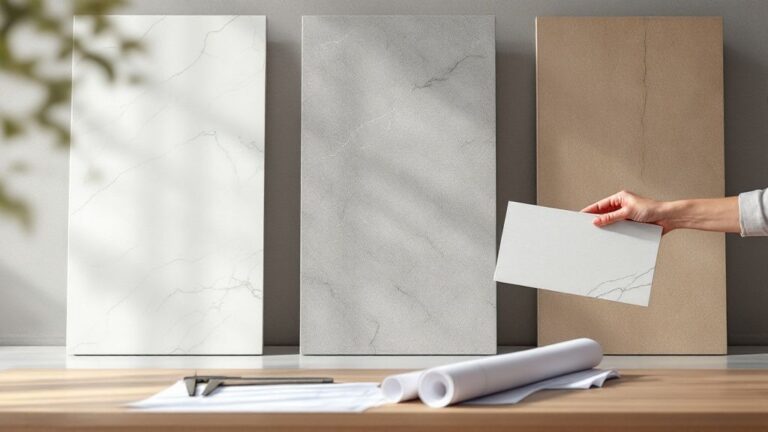
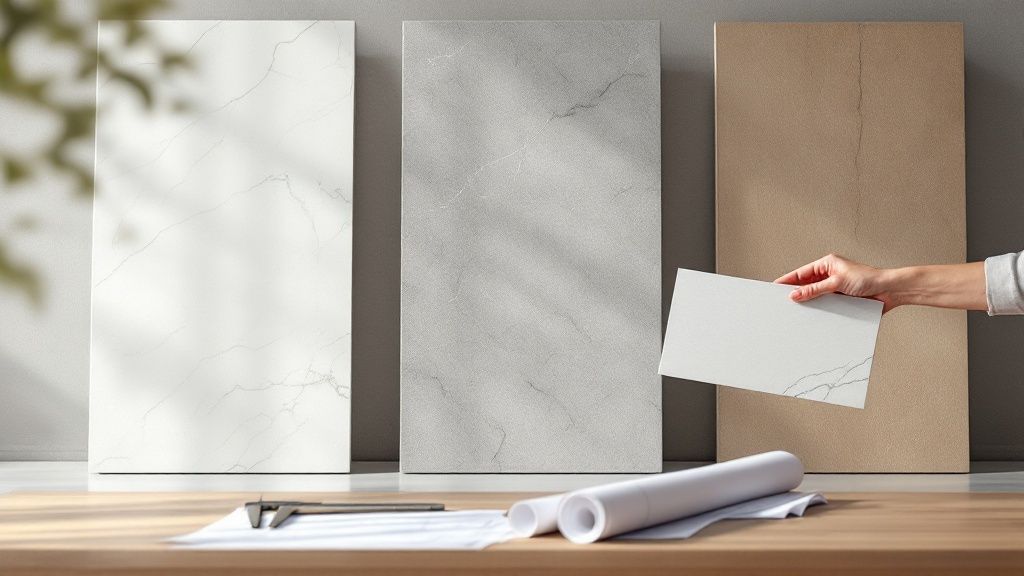
Choosing the right natural stone can feel like a big job, but it doesn't have to be. To make a great choice, you just need to focus on a few key things: understanding the different types of stone, knowing what quality looks like, and learning why a stone's origin matters.
This guide will walk you through everything you need to know. It will help you find a material that is not only beautiful but also a perfect fit for your home.
Your Guide to Selecting the Perfect Natural Stone
Think of natural stone as more than just a building material. It's a piece of the Earth’s history brought right into your home. Every slab of limestone, marble, or quartzite has its own personality that can define a space.
Imagine the rustic, sun-bleached feel of French limestone flooring in a coastal California home. Or picture the dramatic, bold veining of a quartzite countertop in a modern Bay Area kitchen. The possibilities are endless, but it helps to have a little know-how.
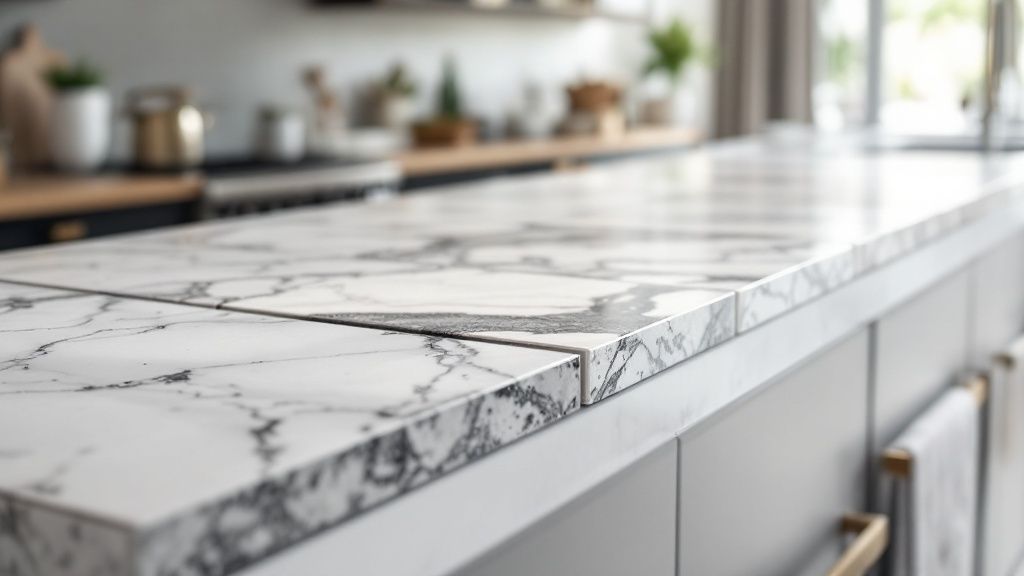
Starting Your Stone Journey
Before you fall in love with a specific slab, it’s smart to understand the basics. This is a simple checklist every homeowner, designer, and contractor should use.
- Stone Features: Is the stone tough like granite, or is it softer and more delicate like some marbles? Its natural features decide where it can be used.
- Look and Veining: Do you want a smooth, uniform look, or a slab with dramatic, one-of-a-kind patterns? Remember, every single piece of natural stone is unique.
- Finish and Texture: The surface finish—like polished, honed (matte), or leathered (textured)—changes the stone's appearance and feel.
- Origin: Where the stone comes from, like Italy or Israel, impacts its quality, color, and how rare it is.
To help you remember these points, here is a quick table of the most important things to check when you start your search.
Natural Stone At a Glance: Key Buyer Considerations
| Consideration | Why It Matters | What to Look For |
|---|---|---|
| Durability & Hardness | This decides where the stone can be used. Softer stones aren't great for busy areas or kitchen counters. | Granite and quartzite are very hard. Many marbles and limestones are softer and more porous. |
| Look & Veining | This is the visual heart of your project. The pattern and color define the entire space. | View full slabs, not just small samples. Veining can vary a lot across a single slab. |
| Finish & Texture | The finish affects both the look and the upkeep. A polished surface reflects light, while a honed one is matte. | Choose polished for a classic look. Pick honed or leathered finishes to hide small marks for a more casual style. |
| Origin | Where a stone is from can signal its quality, color, and cost. | Ask about the quarry. Stones from famous regions often have a history of quality. |
Considering these points will help you narrow down your options and make a choice that you'll be happy with for years to come.
Why Expert Guidance Is Key
This is where working with a direct importer like Carmel Stone Imports gives you a big advantage. You can explore the West Coast's largest inventory of in-stock slabs and tiles in person. Come visit our showrooms in Palo Alto, Carmel, and Sand City.
We hand-select our materials directly from the best quarries in Europe and beyond. This means we can offer exclusive options you simply won't find anywhere else. Our expert staff is here to walk you through it all, ensuring you find a stone that fits your vision and your needs.
Exploring the World of Natural Stone Types
Choosing a natural stone is like picking out a piece of art for your home. Each slab has its own unique story and character. Getting to know these differences is the first step in figuring out what should i know before buying natural stone.
This is about matching a stone's natural features to your lifestyle. A busy family kitchen in Palo Alto has different needs than a calm bathroom in a Carmel coastal retreat. Let's look at the most popular options we see homeowners fall in love with at Carmel Stone Imports.
Limestone and Travertine: Ancient Warmth
Limestone has a soft, muted color palette that brings to mind old European charm. Its subtle textures, sometimes dotted with fossils, add history and warmth to a space. A hand-chiseled French limestone floor feels both rustic and elegant.
Travertine is a type of limestone known for its pitted surface and creamy, earthy tones. It’s a great choice for connecting indoor and outdoor living areas, a popular design in many Monterey homes.
Marble and Onyx: Dramatic Elegance
When you think of luxury, you probably think of marble. It’s famous for its dramatic, sweeping veins and a glowing surface that makes a bold statement. Classic Italian marbles like Calacatta or Carrara are popular for countertops, backsplashes, and bathroom walls.
Onyx is the true jewel of the stone world. This translucent stone has incredible layered bands of color that can be backlit for a breathtaking effect. An onyx accent wall can literally glow from within, adding unmatched glamour.
Quartzite and Granite: Nature's Most Durable Masterpieces
For parts of your home that need to be both beautiful and tough, quartzite and granite are the best choices. Quartzite looks as elegant as marble but is incredibly durable. It's very hard, so it resists scratches and marks from common kitchen acids like lemon juice.
Granite is known for its classic speckled look and great strength. It comes in thousands of colors and patterns, from deep blacks to vibrant golds. Granite provides a unique and durable surface that’s perfect for busy kitchen countertops.
The infographic below gives you a quick visual on how different stones stack up in terms of care.
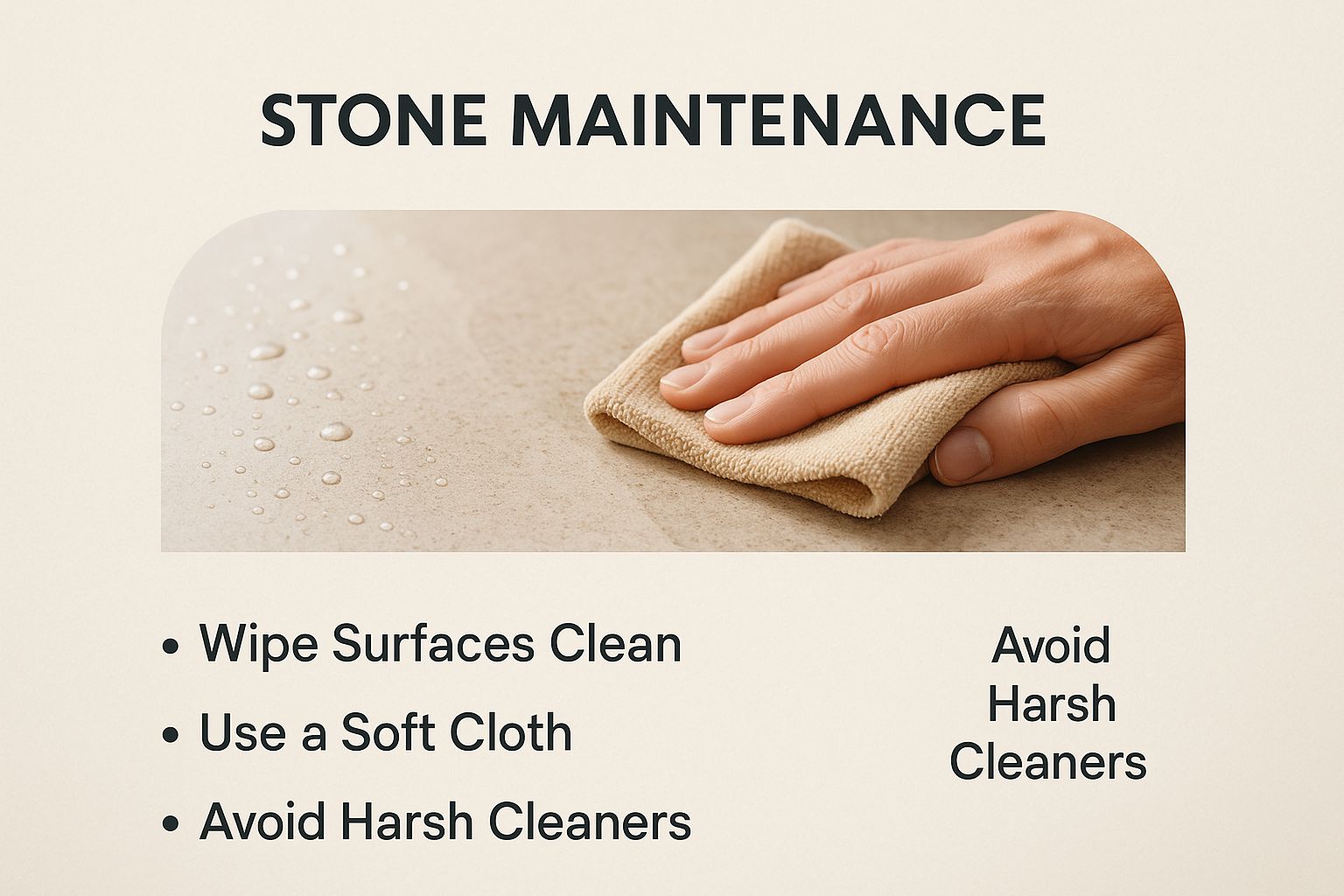
While stones like granite and quartzite are low-maintenance, others like marble need a bit more mindful care.
Soapstone: Understated and Hardworking
Soapstone has a unique, velvety texture and a charming, rustic feel. It is very dense and not porous, which means it’s naturally resistant to stains and bacteria.
Its color usually ranges from a light grey to a deep charcoal. Over time, soapstone develops a beautiful patina, or aged look, that adds to its character. It’s a wonderful choice for kitchen counters and fireplace surrounds.
Expert Insight: Remember, no two slabs of natural stone are exactly alike. This is why visiting a showroom to see the full slab is essential for making a choice you'll love.
The demand for these authentic materials is growing. The global natural stone market was valued at over USD 35 billion in 2023 and is expected to keep climbing.
By understanding the personalities of each stone, you can make a good decision. For a deeper look, you can check out our comprehensive guide to the types of natural stone.
How to Evaluate Stone Quality and Origin
Not all natural stone is created equal. Understanding what separates a good slab from a great one is a key part of the buying process. When you learn how to check for quality, you can be sure your investment will look stunning for years.
This means looking beyond the beautiful surface pattern. You need to train your eye to spot the details that separate a premium stone from a standard one. This includes the slab's thickness, the richness of its color, and the absence of cracks.
Key Markers of a High-Quality Slab
When you walk into a showroom in Carmel or Palo Alto, it helps to have a mental checklist. Here are the important things to look for up close.
- Consistent Thickness: Run your hand along the edge of the slab. It should be perfectly even from one end to the other.
- Color Saturation: Look for deep, rich color. Lower-quality stones can sometimes appear washed out or dull.
- Surface Integrity: Check the surface for too much pitting or large, obvious fills. Some natural imperfections are part of the stone's charm, but a top-quality slab will be mostly free of major flaws.
- Finish Quality: Whether it's polished, honed, or leathered, the surface should be consistent. A polished finish should have a glass-like reflection with no dull spots.
A superior stone slab feels solid and substantial. Its beauty reflects the quality of the raw block it was cut from.
Why a Stone's Origin Matters
A stone's origin is a big clue to its properties, color, and even its history. Marble from Carrara, Italy, is world-famous for its brilliant white background and delicate grey veining. This set a standard for quality centuries ago.
Similarly, exotic quartzites from Brazil are valued for their incredible hardness and wild patterns. Quarries in Israel and France produce some of the world's most popular limestone, known for warm tones perfect for a coastal California look.
The origin also points to the standards used during quarrying. This is why a direct importer like Carmel Stone Imports is proud to source materials from these reputable regions.
The Direct Importer Advantage
Working with a direct importer gives you access to quality that big-box stores can't match. We build personal relationships with quarry owners in Europe, Israel, and other top-tier locations. This lets us hand-select the finest blocks of stone right at the source.
Our experts travel to these quarries to inspect the material before it's cut. This hands-on process means our inventory is curated to meet the highest standards. We often secure exclusive materials you won't find anywhere else in the United States.
This direct-sourcing model also creates a chain of custody that guarantees quality from the mountain to your home. You can learn more by reading our guide on where designers get their natural stone.
Thinking About Natural Stone Durability and Upkeep
A beautiful stone is a long-term commitment. It helps to understand what it needs to thrive. This is where we get practical and talk about long-term care, so you can confidently answer the question, what should I know before buying natural stone?
Getting this right from the start means you'll love your stone for decades.
Matching Stone to Your Lifestyle
A stone's durability comes down to two things: how hard it is and how porous it is. Hardness is about resisting scratches. Porosity is about how easily it might soak up liquids and stain.
-
For Busy Kitchens: If you need a workhorse, look no further than quartzite and granite. They are very hard, meaning they resist scratches from daily life. This makes them a great, worry-free choice for active family kitchens from Palo Alto to Monterey.
-
For Elegant, Lower-Traffic Areas: Marble and limestone bring a softer, classic beauty. They are more delicate and can be marked by acidic things like lemon juice or wine. But for a bathroom vanity or a fireplace surround, their timeless look is perfect.
The secret to keeping any stone looking beautiful is knowing its specific care routine. It’s usually simple, but it’s not one-size-fits-all.
Sealing: Your Stone's Best Friend
Think of sealer as a raincoat for your stone. Most natural stone is porous, with tiny openings that can absorb liquids. A good sealer sinks in and plugs up those pores, helping spills bead up on the surface instead of soaking in.
The real question isn't if you should seal, but how often. A dense stone like quartzite might only need sealing every few years. A more porous marble in a kitchen might need sealing once a year.
There’s an easy way to check. Sprinkle a few drops of water on the counter. If it beads up, your sealer is working. If the water soaks in, it’s time to reseal. For a complete guide, you can read our guide on how to properly seal natural stone.
Daily Care for a Lasting Luster
Keeping that beautiful finish is easier than you might think. The golden rule? Stay away from harsh, acidic cleaners. They can damage the sealer and even the stone itself, leaving it looking dull.
A simple daily routine is all you really need:
- Clean up spills right away. The faster you wipe up messes, the better.
- Use a gentle cleaner. A pH-neutral stone cleaner or just mild soap and warm water is all you need.
- Protect the surface. Use coasters, placemats, and cutting boards. These simple habits prevent accidental scratches or stains.
By following these simple care steps, the stone you bring into your home will deliver lasting value and beauty for years to come.
Why Your Stone Supplier Makes All the Difference
Choosing your natural stone is a personal decision, but your supplier is just as important. Think of them as your expert guide in a world of complex choices. The difference between buying from a specialist versus a big-box store is night and day.
Understanding what you should know before buying natural stone starts with knowing that not all suppliers are the same. Big-box stores may be convenient, but they often lack the deep knowledge and hand-picked selection a specialized importer provides.
The Power of the Showroom Experience
An online photo or a small sample can never truly capture the soul of a natural stone slab. That’s why walking through a showroom to see a full slab in person is a must-do step.
It’s the only way to appreciate the stone’s true size and see how light plays across its surface. In our showrooms in Palo Alto, Carmel, and Sand City, our clients see firsthand how a stone’s character changes from one end of the slab to the other.
This in-person viewing ensures there are no surprises. It transforms an online choice into a real connection with the exact piece that will define your space.
A trusted supplier provides more than just stone; they offer clarity and expertise. Having an experienced team to answer your questions and guide you through a vast inventory is priceless.
The Direct Importer Advantage
When you work with a direct importer like Carmel Stone Imports, you get benefits you can't find anywhere else. We are not just resellers; we are curators. We travel the globe to source the finest materials directly from top quarries in Europe, Israel, and beyond.
This hands-on approach allows us to:
- Hand-Select Premium Blocks: We personally inspect the raw blocks of stone, making sure they meet our high standards for color, clarity, and strength.
- Offer Exclusive Materials: Our direct quarry relationships give us access to exclusive and rare stones you won't find anywhere else in the U.S.
- Ensure Immediate Availability: As the direct importer with the West Coast's largest in-stock inventory, we eliminate long wait times. The slab you love in our showroom is ready for immediate delivery.
A supplier's commitment to sustainable procurement strategies can also be a key differentiator, showing their dedication to responsible sourcing.
A Partner for Homeowners, Designers, and Contractors
Whether you’re a homeowner, a designer, or a contractor, your needs are unique. A high-end supplier serves as a partner for everyone involved.
We provide homeowners with the education they need to choose wisely. We offer designers access to a world-class library of materials. We give contractors the reliable support they need for a smooth project.
Ultimately, choosing the right supplier is about building a relationship based on trust and expertise. To learn more about what to expect, visit a local stone warehouse.
Frequently Asked Questions About Buying Natural Stone
When our clients in Monterey, Palo Alto, and across the Bay Area start looking for the perfect stone, a lot of questions come up. Here are some of the most common ones we hear, with clear answers to help you feel confident as you begin.
What Is the Most Durable Natural Stone for Kitchen Countertops?
For a kitchen that has to stand up to real life, granite and quartzite are the champions. Both are incredibly hard, meaning they resist scratches and can handle the heat from a hot pan without issue. They’re built to last, giving you a beautiful surface that can handle decades of use. It is no surprise that granite is the most popular choice, commanding 39.6% of the North American market (Grandview Research). You can dive deeper into these numbers by checking out the full industry analysis on Grandview Research.
Does All Natural Stone Need to Be Sealed?
Most natural stone has some level of porosity, so sealing is almost always a good idea. Think of a sealer as a protective shield that stops spills—like that dreaded glass of red wine—from soaking in and causing a permanent stain. How often you need to seal depends on the stone and where you’re using it. A dense stone like quartzite might only need a fresh coat every few years, while a more porous marble in a busy kitchen might need to be sealed annually.
Can I Use the Same Stone Indoors and Outdoors?
Yes! Creating a seamless flow from your living room to your patio is a fantastic way to embrace the indoor-outdoor lifestyle we love here in California. Materials like travertine, certain types of limestone, and some granites are perfect for this. The key is to make sure you choose a stone that is specifically rated for exterior use. This guarantees it can handle the elements—sun, rain, and temperature changes—without fading or breaking down.
What Is the Difference Between Marble and Quartzite?
This is a big one, because while they can look very similar, they perform very differently. Marble is a softer stone, which makes it vulnerable to etching from acidic things like lemon juice or vinegar. Quartzite, however, is a much tougher rock. It gives you that classic, veined look of marble but with the durability of granite, as it’s highly resistant to both scratches and etching. If you're weighing your options, our guide on natural stone vs. engineered stone offers a much more detailed comparison.
Why Should I See a Stone Slab in Person Before Buying?
Because natural stone is a product of the earth, every slab is unique. No two are ever exactly alike. A small sample or a photo online just can’t do justice to the true depth of color and intricate movement you'll see in a full-sized slab. Coming down to a showroom in Carmel or Palo Alto lets you see the exact piece that will go in your home. It’s a hands-on experience that ensures there are no surprises—just the perfect stone that you fell in love with.
Ready to find the perfect stone for your project? The expert team at Carmel Stone Imports is here to guide you through our unparalleled collection of hand-selected materials. Visit one of our showrooms or contact us today to start your design journey.