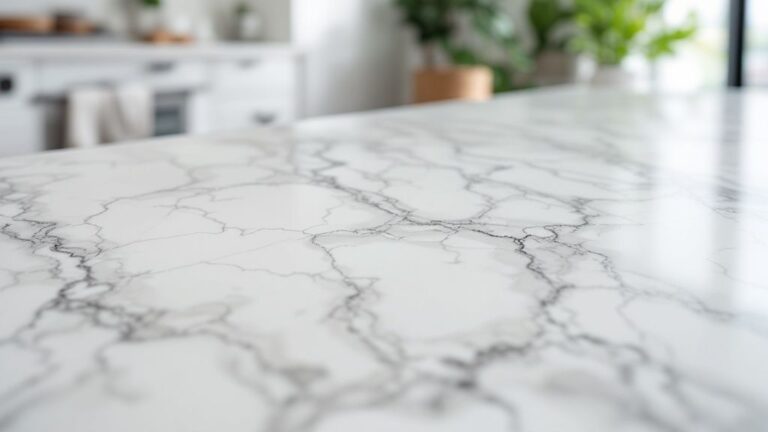

Have you heard the buzz about dolomite? This beautiful natural stone is becoming a top choice for home design. It offers the classic look of marble but is much more durable for everyday life. This guide explains what dolomite stone is and why it might be the perfect fit for your home.
Dolomite gives you that perfect mix of elegance and strength. It's a practical and stunning option for many projects.
What Exactly Is Dolomite Stone?
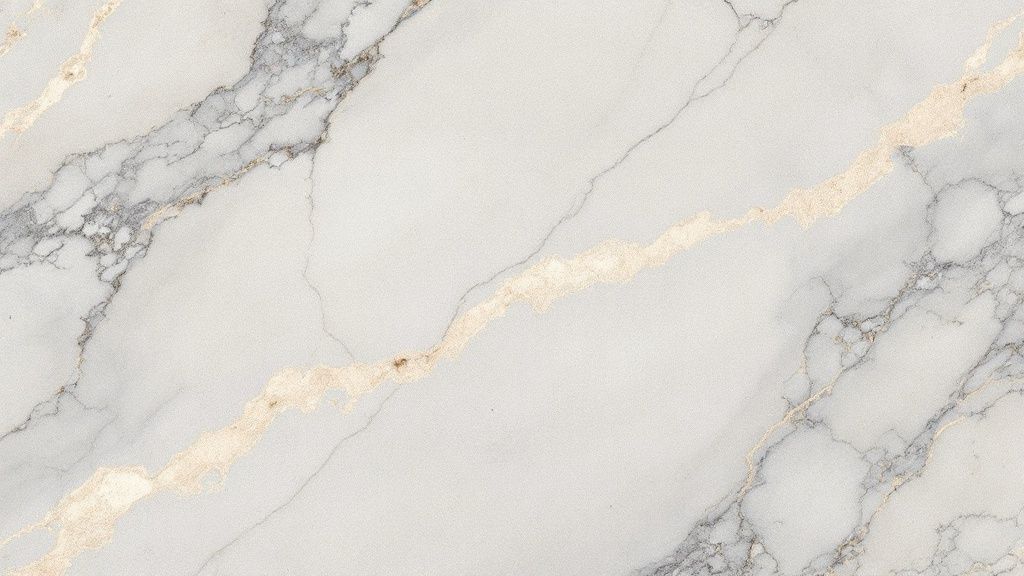
Think of dolomite as the perfect middle-ground in the world of natural stone. It sits between the soft beauty of marble and the toughness of quartzite. People love it for its sophisticated, marble-like look, which usually features soft whites and cool greys with gentle veins.
This clean style makes it a favorite for modern spaces, especially in Bay Area homes. It helps create a calm and elegant feel.
How Dolomite Forms
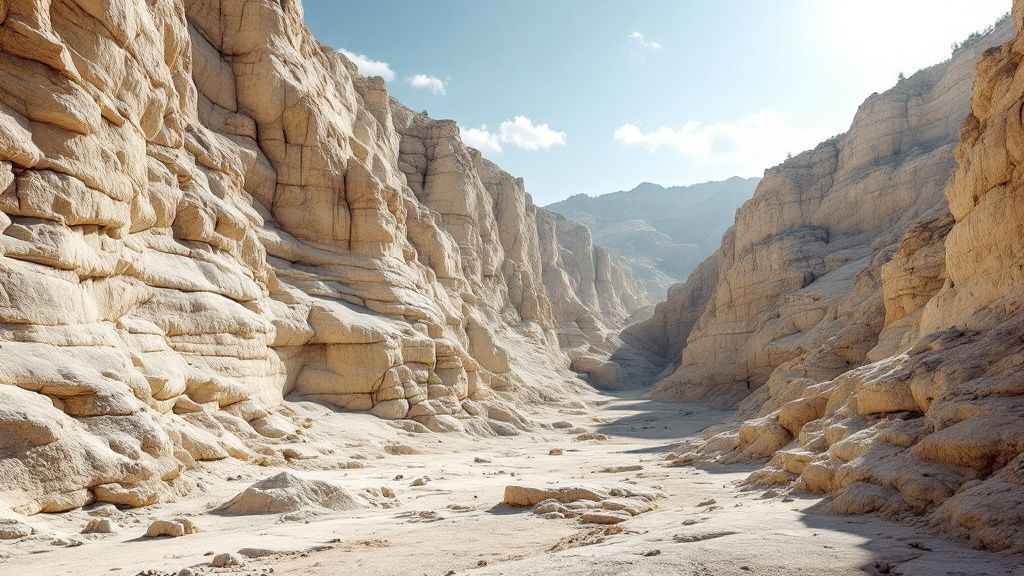
Dolomite starts its life as limestone, a softer rock. Over millions of years, water rich in magnesium flows through the limestone. This process changes the stone's chemical makeup, turning it into calcium magnesium carbonate.
This natural transformation makes dolomite denser and stronger than the original limestone. This added strength is a key reason why it's so popular.
Dolomite Stone at a Glance
| Characteristic | Description |
|---|---|
| Stone Type | Sedimentary Rock |
| Composition | Calcium magnesium carbonate |
| Hardness (Mohs Scale) | 3.5 – 4 |
| Appearance | White and grey with soft, cloud-like veining |
| Porosity | Less porous than marble, more porous than granite |
| Best For | Kitchen countertops, bathroom vanities, backsplashes, accent walls |
This table shows why dolomite is often seen as a smart upgrade from marble. Because it's a natural stone, no two slabs are ever the same. Each piece has a unique pattern, adding an exclusive touch to your space.
Why Designers Love Its Look
Let's be honest, dolomite's appearance is its biggest selling point. It gives you the high-end look of marble with a more practical side. A polished dolomite surface reflects light beautifully, which can make a kitchen or bathroom feel brighter.
Here are a few features designers and homeowners love:
- Subtle Colors: Its colors are mostly whites and greys, fitting perfectly with today's design trends.
- Graceful Veining: The veins are often soft and cloud-like, unlike the sharp streaks in some marbles.
- Versatile Style: It works with everything, from modern designs to classic coastal California looks.
For anyone who wants the elegance of marble but needs something tougher for daily life, dolomite is an ideal choice.
Here at Carmel Stone Imports, our team has over 20 years of experience. We can guide you through our hand-selected dolomite collection to find the perfect slab. See how it compares to other options in our guide on the primary types of natural stone.
Dolomite Compared with Marble and Quartzite
Choosing the right stone can feel like a huge decision. When clients visit our showrooms in Palo Alto or Sand City, we help make it easy. We listen to your needs to guide you to the perfect material—whether it’s dolomite, marble, or quartzite.
Let’s break down how these three popular stones compare.
Hardness and Durability
We use the Mohs scale to measure a stone's hardness from 1 (softest) to 10 (hardest). This tells you how well a countertop will resist scratches from everyday items like knives or keys.
Marble usually ranks between a 3 and 4 on the Mohs scale. Its beauty is timeless, but it can be scratched easily in a busy kitchen.
Dolomite is a step up, rating between 3.5 and 5. That extra hardness provides much better scratch resistance than marble, making it a more practical choice.
If you need maximum durability, quartzite is the clear winner. It scores a 7 on the Mohs scale, making it incredibly hard to scratch. For homeowners in the Bay Area wanting a nearly indestructible surface, quartzite is a great choice. Learn more in our detailed guide on quartzite stone.
Resistance to Etching and Stains
Another concern with natural stone is etching. This happens when acidic things—like lemon juice or vinegar—touch the stone and dull its surface.
Here’s how the stones compare:
- Marble: As a calcium carbonate stone, marble is very sensitive to acids. Spills must be wiped up right away to prevent etching.
- Dolomite: Thanks to its magnesium, dolomite is less reactive than marble. It gives you more time to clean up, but it is not etch-proof.
- Quartzite: This stone has very little calcium carbonate. This makes it highly resistant to etching from common kitchen acids.
Porosity, which relates to staining, follows a similar pattern. Dolomite is less porous than most marbles, giving it better stain resistance. Quartzite is the least porous and most stain-resistant of the three.
Comparing Dolomite, Marble, and Quartzite
| Feature | Dolomite | Marble | Quartzite |
|---|---|---|---|
| Mohs Hardness | 3.5 – 5 | 3 – 4 | 7 |
| Scratch Resistance | Good | Fair | Excellent |
| Etch Resistance | Good (better than marble) | Fair (very susceptible) | Excellent |
| Stain Resistance | Good (less porous than marble) | Fair (more porous) | Excellent (least porous) |
| Maintenance | Regular sealing required | Frequent sealing required | Regular sealing required |
| Aesthetics | Soft, linear veining; marble-like | Classic, soft, veined patterns | Often bold, dramatic veining |
Dolomite offers a great "best of both worlds" option. It provides the look of marble with durability that is much better for everyday life.
The Bottom Line: Choosing Your Stone
Understanding how each stone fits your lifestyle is key. Your choice between dolomite, marble, and quartzite will depend on balancing looks, durability, and care. You can find helpful guidance on choosing the right material for your space online.
At Carmel Stone Imports, we've helped thousands of clients from Monterey to San Francisco make this decision. With over 20 years of experience, we provide clear, honest advice. We invite you to visit us and see these stunning materials for yourself.
Best Uses for Dolomite in Design
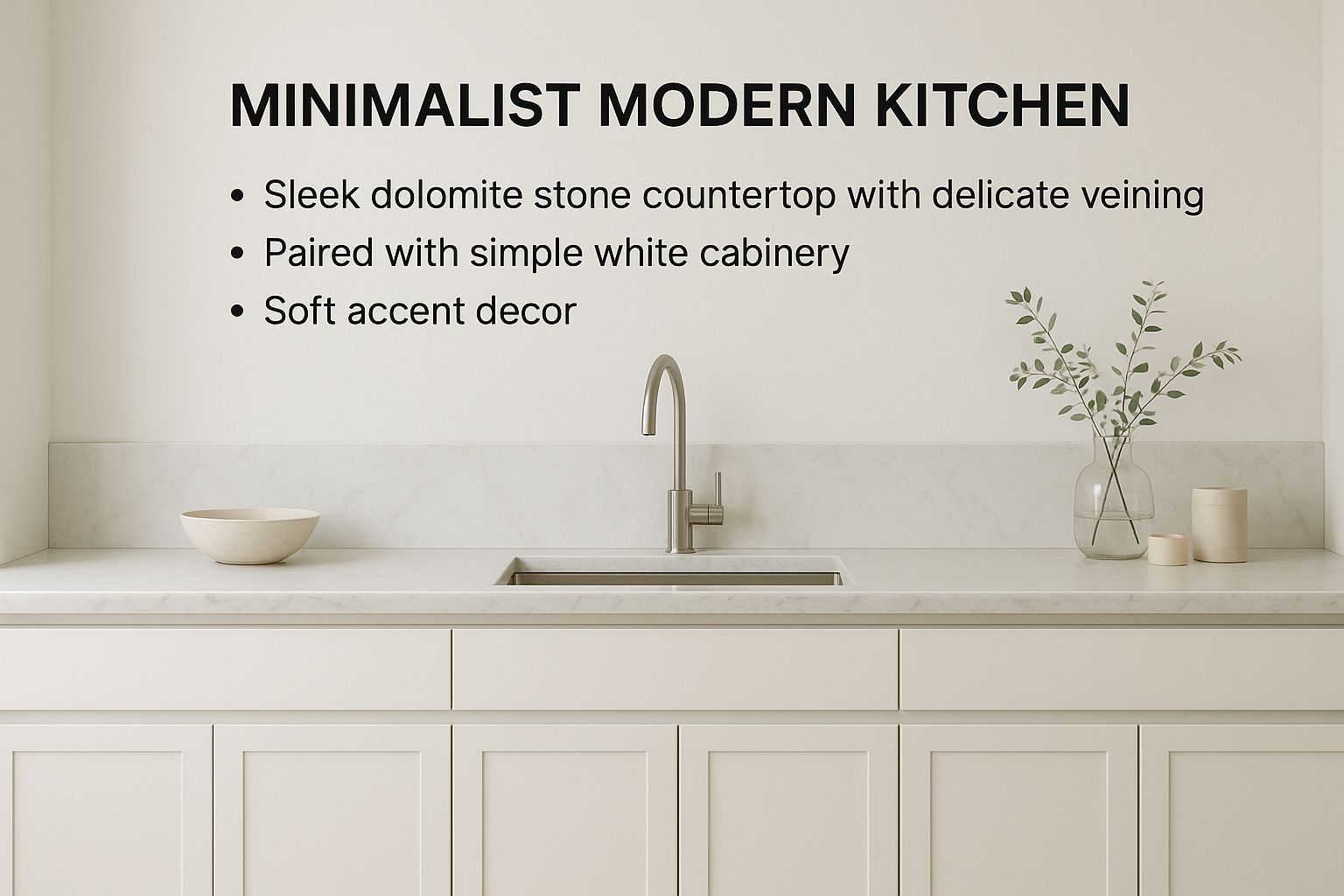
Dolomite's beauty is in its quiet elegance. It brings a sense of calm and luxury to any room. This is why it’s a favorite for designers and homeowners across California.
The charm comes from its signature colors and veining. Most slabs have creamy whites and gentle greys. The veining is often soft and cloud-like, adding visual interest without being too bold.
Ideal Applications for Dolomite Stone
Dolomite’s mix of elegance and durability makes it very versatile. It can turn a simple surface into a stunning focal point.
Here are some of the most popular ways to use dolomite:
- Kitchen Countertops: As a harder alternative to marble, dolomite is an excellent choice for kitchen counters. It stands up better to daily use.
- Bathroom Vanities: The calm, spa-like feel of dolomite is perfect for bathroom vanities. It creates a peaceful personal space.
- Backsplashes: Using a dolomite slab for a backsplash creates a seamless, high-end look. Find more inspiration in our guide to kitchen backsplash stone ideas.
- Fireplace Surrounds: Dolomite is heat-resistant, making it a safe and beautiful material for a fireplace. It can turn a simple hearth into a grand feature.
- Accent Walls: A full slab of dolomite used as an accent wall adds incredible texture and depth. It becomes a piece of natural art in your home.
A Fit for California Design
Dolomite’s simple elegance is a perfect match for California design. It works well with natural materials and clean lines. In smaller spaces in Palo Alto or San Francisco, its polished surface can make a room feel bigger and brighter.
Market trends show a growing demand for dolomite. The global dolomite market growth from Data Insights Market Research shows its recognized value as a beautiful and functional material.
At Carmel Stone Imports, we hand-select every dolomite slab for our Palo Alto and Sand City showrooms. This ensures our clients get the highest-quality options available.
Caring for Dolomite Stone
One of the best things about dolomite is that it's easy to care for. Keeping your dolomite surfaces looking great is simpler than you might think. With a few good habits, you can protect your stone for years to come.
The key to dolomite care is being proactive. Since it is a natural stone, it is porous and can absorb liquids. A quality sealer is your most important tool.
The Importance of Sealing
Sealing your dolomite is the best way to protect it. A good sealer soaks into the stone's tiny pores. This step prevents spills from seeping in and gives you more time to clean up messes.
At Carmel Stone Imports, we recommend sealing dolomite after it's installed and then about once a year. The process is simple and offers huge peace of mind. You can find more details in our guide on how to seal natural stone.
Daily Care and Cleaning Tips
Daily care for dolomite is very simple. It’s all about using the right cleaners and wiping up spills quickly. Harsh or acidic cleaners can damage the stone's seal and surface.
Here are a few do’s and don’ts for your dolomite:
- DO clean surfaces with a soft cloth, warm water, and a drop of pH-neutral soap.
- DO wipe up spills right away, especially acidic ones like lemon juice or wine.
- DO use coasters and trivets to protect the surface from scratches and heat.
- DON'T use abrasive scrubbers that can scratch the surface.
- DON'T use cleaners with acid, like vinegar or lemon-based products.
- DON'T let spills sit on the surface for a long time.
Following these simple tips will help maintain the beauty of your dolomite. You can find more expert tips for natural stone floor cleaning that also apply to other surfaces. The team at Carmel Stone Imports is here to support you with practical advice.
Why Choose Carmel Stone Imports for Your Project
Choosing the right stone is important, but finding the right supplier is just as key. With over 20 years in business, we have a reputation for sourcing beautiful natural stone for clients across California. We are your expert partner in design.
We hand-select every dolomite slab for our inventory. This ensures our clients in Palo Alto and Sand City get access to a truly special collection. We deliver across the San Francisco and Central Coast areas with expert customer service.
Your Trusted Stone Experts
Understanding the differences between marble, dolomite, and quartzite can be hard. Our team offers personal guidance to help you choose the right stone for your lifestyle. Our goal is to help you feel confident in your choice.
The market for dolomite is growing, driven by the need for strong, beautiful materials. You can learn more about these market trends for dolomite products on Archive Market Research. This trend shows the stone’s recognized value.
Our long history is proof of our commitment to quality. Learn more about what sets Carmel Stone Imports apart and see why we are a preferred choice for natural stone in the region.
Frequently Asked Questions
Choosing a new stone for your home often brings up questions. Here are answers to some of the most common ones we hear in our Palo Alto and Sand City showrooms.
Is dolomite a good choice for kitchen countertops?
Yes, absolutely. Dolomite is a great option for kitchen countertops if you love the look of marble but need something more durable. It is harder and less porous than marble, giving you better protection against scratches and spills.
Does dolomite stain or etch easily?
Dolomite resists stains and etching much better than marble. Thanks to its composition, it doesn't react as quickly to acidic spills like lemon juice. With a good sealer, staining is rarely an issue, making it a reliable surface for a busy home.
How does dolomite compare to quartz?
Dolomite is a 100% natural stone, meaning every slab is unique. Quartz is an engineered product made from crushed minerals and resins, so its patterns are very consistent. Quartz is non-porous and requires almost no maintenance, while dolomite needs regular sealing but offers an authentic, natural beauty.
What are the most popular dolomite colors?
Dolomite is known for its soft, elegant color palette. The most popular varieties feature creamy whites and gentle greys. These slabs typically have subtle, cloud-like veining that adds character without overwhelming a space.
Can dolomite be used outdoors?
We generally do not recommend dolomite for outdoor projects. Even when sealed, its porous nature can make it vulnerable to moisture damage from rain or frost. For patios or outdoor kitchens, we suggest more durable materials like quartzite or granite.
Ready to see the timeless beauty of dolomite for yourself? The team at Carmel Stone Imports brings over 20 years of experience in helping clients find the perfect natural stone. Visit one of our showrooms in Palo Alto or Sand City, or contact us today for friendly, expert guidance on your next project.