Quick Answer
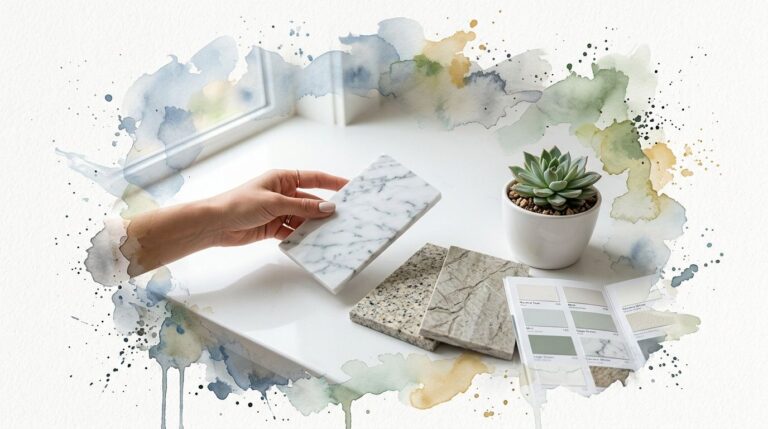
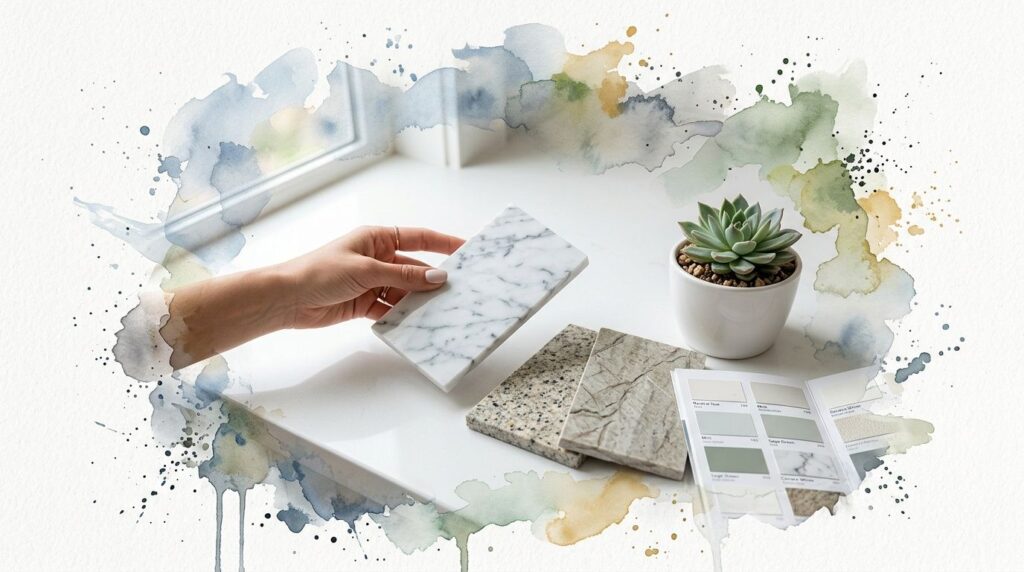
A stone tile kitchen can look exceptional and wear well, but the right result depends on more than choosing marble or granite. Material, finish, tile size, grout color, and edge detail all affect how the kitchen looks day to day, how it feels underfoot, and how much upkeep it needs.
You’re probably looking at samples that all seem beautiful in different ways, and that’s exactly where kitchen tile decisions get hard. A polished marble mosaic, a honed limestone floor, and a porcelain tile that mimics quartzite can all work. They just don’t work the same way.
A good stone tile kitchen comes from matching the material to the use, then refining the design with finish, scale, and grout so the room feels intentional instead of pieced together. That matters whether you're remodeling in Carmel-by-the-Sea, Palo Alto, or working on a custom home elsewhere in the Bay Area.
Understanding Your Stone Tile Material Options
Material choice sets the tone for the whole kitchen. It affects how light moves across the room, how much visual variation you see from tile to tile, and how forgiving the surface feels in daily use.

The starting point is not just marble versus granite. In real kitchen design, the better question is what role the tile needs to play. Some materials carry a room with movement and color variation. Others stay quiet and support the cabinetry, slab, or lighting. That distinction matters more than many homeowners expect.
Natural stone brings depth that printed surfaces rarely match. Veins shift. Mineral specks catch light differently. Even calm stones have small changes from piece to piece, and that variation is often what makes a finished kitchen feel layered rather than flat.
Marble suits kitchens where surface character is part of the design intent. It gives a backsplash or wall application an elegant, luminous look, especially when the rest of the palette is restrained. The trade-off is honest. Marble can etch, and it will show use over time. For some projects, that patina is a benefit. For others, it becomes a frustration.
Limestone and travertine create a softer visual register. They work well in kitchens aiming for warmth, age, or a coastal restraint instead of sharp contrast. I often recommend them when a client wants the room to feel settled rather than dramatic. They do require thoughtful placement, especially in heavy splash zones, because their quieter look usually comes with a bit more maintenance awareness.
Granite and quartzite fit kitchens that need stronger resistance to wear without giving up natural variation. Granite often reads denser and more granular. Quartzite can deliver more movement and a slightly cleaner, more architectural look, depending on the selection. Both can be excellent choices for hardworking spaces, but the exact slab or tile matters. Some quartzites are far busier than expected, and some granites are calmer than their reputation suggests.
A simple design rule helps here. If the tile should lead the room, choose a stone with visible movement. If the kitchen already has expressive cabinetry, a bold countertop, or statement hardware, choose a quieter stone and let the material support the composition.
For readers comparing stone with other surfaces before committing, this overview of flooring options for Albany homes gives useful context alongside wood, laminate, and other common categories. If you want a closer look at the personality of each stone family, our guide to types of natural stone explains those differences in practical terms.
Porcelain belongs in the same discussion because many kitchen projects are really deciding between natural variation and visual control. A well-made porcelain tile can give you the stone look with more consistency from piece to piece. That can be a real advantage in minimalist kitchens or large floor installations where too much movement starts to feel busy.
Use porcelain when the goal is:
- More controlled patterning across the floor or wall
- Lower maintenance demands than many natural stones
- Large-format sizing with fewer visual interruptions
- A stone-inspired look where repeatability is a benefit
Engineered quartz appears in these conversations too, though usually more often as a slab than as a tile. Its strength is predictability. Color stays more uniform, pattern repeats are easier to manage, and clients who dislike natural variation often prefer that control. The trade-off is aesthetic. It does not have the same geological depth or individuality as real stone.
| Material family | What it does well | What to watch |
|---|---|---|
| Natural stone | Organic depth, true variation, distinct character | Some selections need more care and tolerance for change over time |
| Porcelain | Consistent appearance, broad style range, easier upkeep | Can read flat if the graphic is weak or too repetitive |
| Engineered quartz | Predictable color, controlled pattern | Less natural movement and less visual nuance |
In practice, location should guide the choice. A backsplash can carry more personality because it takes less foot traffic and occupies less square footage. A full kitchen floor usually benefits from a steadier material and a calmer pattern. That is how good kitchens avoid feeling overdesigned.
How Finish and Size Shape Your Kitchen Design
A kitchen can use the right material and still miss the mark if the finish and scale are wrong. Many projects become refined or start to look busy depending on these aspects.

Finish changes both appearance and behavior
Polished stone reflects light, sharpens color, and makes veining more dramatic. It also shows more of everyday life. Smudges, splashes, and residue are easier to see on a reflective surface.
Honed finishes soften the stone and reduce glare. In kitchens, that usually feels more relaxed and more architectural. Honed material often works especially well when the cabinetry has strong lines or when the room already gets plenty of daylight.
Textured finishes such as brushed or tumbled can add warmth, but they need to be used carefully. On a backsplash, texture can be beautiful. On a floor, too much surface irregularity can make cleaning more involved.
A simple way to think about finish:
- Polished fits formal, bright, crisp kitchens
- Honed fits quieter, softer, more contemporary or old-world kitchens
- Brushed or textured fits spaces that need tactile character
For a closer look at how these surfaces behave visually, our article on polished, honed, or leathered stone finishes is a useful companion when you’re narrowing samples.
A finish isn’t just a surface treatment. It decides how the room handles light from morning through evening.
Size changes the rhythm of the room
Tile size controls how often your eye stops. That’s why the same stone can feel calm in one format and restless in another.
Large-format tile creates fewer joints and a broader visual field. That usually makes a kitchen feel cleaner and more contemporary. It can also help a smaller kitchen feel less chopped up, especially if the color palette stays quiet.
Smaller tile creates texture and repetition. That’s often the right move for backsplashes, accent walls, or kitchens that need pattern because the surrounding materials are very restrained.
Consider the difference this way:
| Tile format | Design effect | Where it often works best |
|---|---|---|
| Large format | Calm, open, minimal | Floors, large walls, modern kitchens |
| Mid-size field tile | Balanced, adaptable | Floors and backsplashes |
| Mosaic or small tile | Detailed, textured, decorative | Backsplashes, niches, feature areas |
Hardness matters, but so does where you use it
When clients ask about toughness, granite and quartzite are the benchmark materials. Granite is one of the hardest architectural stones, with a typical Mohs hardness of 6 to 7, which is why it’s highly resistant to scratches and chips in a busy kitchen according to this granite and quartzite durability guide.
That doesn’t mean every kitchen should be granite. It means granite and quartzite give you more forgiveness on floors and in active family kitchens. Marble can still be a strong design choice, but it asks for a client who understands that beauty and delicacy can come together in the same material, much like a luxury finish that looks extraordinary but rewards careful use.
Grout and Edge Details That Define the Look
Weeks are often spent on tile, while only about three minutes are dedicated to grout. That’s usually a mistake.

Grout can either quiet the tile or outline it
Matching grout creates a more continuous look. It lets the eye read the field as one surface instead of a grid. That works especially well with large-format tile or subtle stone where the goal is a monolithic effect.
Contrasting grout does the opposite. It draws each tile shape into focus and turns pattern into part of the design. That can be excellent with mosaics or geometric layouts, but it can also make a kitchen feel busier than expected if every other finish already has movement.
If you're weighing that decision, this article on grout color's impact on tile is a good visual reference because it shows how strongly grout shifts the final look.
Edge profile changes the style language
Rectified edges feel crisp and precise. They fit modern kitchens, flatter surfaces, and narrow grout joints. Cushioned edges read a little softer and can make a classic field tile feel less rigid.
Tumbled or worn edges bring informality. They pair naturally with limestone, travertine, and kitchens that lean rustic, Mediterranean, or collected over time.
These details matter because they change the message of the same stone:
- Rectified edges feel architectural
- Soft edges feel traditional
- Tumbled edges feel relaxed and timeworn
The same principle applies beyond tile. If you're coordinating tile with adjacent slab work, this guide to edge options for countertops helps keep the profile language consistent across the room.
Good kitchen design often comes down to restraint. If the stone has heavy movement, quiet the grout. If the tile is simple, grout can do more work.
Sourcing affects the final appearance more than people think
Responsible sourcing is not an abstract issue in stone. It affects selection quality, finish consistency, and how well the pieces work together once they arrive on site. Material from trusted quarry and manufacturing partners is usually more reliable in calibration, finish quality, and overall visual cohesion.
That’s one reason designers work closely with experienced suppliers when they want a kitchen to read as intentional rather than assembled from disconnected parts. Carmel Stone Imports supplies natural stone and tile selections for homeowners and trade professionals who want to compare those visual differences in person before making a final choice.
Durability and Maintenance for a Lasting Stone Tile Kitchen
A beautiful tile that doesn’t fit the household will become a regret. The kitchen has to match the way you cook, clean, and live.

Choose maintenance tolerance before you choose color
Some clients are happy with a surface that develops character. Others want the kitchen to look nearly unchanged with ordinary care. Those are different households, and the tile should reflect that.
Granite and quartzite generally offer the most forgiving performance in a stone tile kitchen. As noted earlier, granite’s Mohs hardness of 6 to 7 gives it strong resistance to scratches and chips in active kitchen settings. Softer stones can still perform well, but they ask for more attention to sealing, cleaning products, and spill response.
Marble and limestone reward people who appreciate natural aging. They don’t reward neglect. Acidic food residue, strongly colored spills, and harsh cleaners are more likely to leave a mark.
What works in real kitchens
These habits make the biggest difference over time:
- Use pH-neutral cleaners because harsh chemicals can dull or damage natural stone
- Wipe spills promptly especially with oil, wine, coffee, citrus, and tomato-based foods
- Seal natural stone as needed based on the stone type and the environment
- Use mats and felt protection in areas where chairs, stools, or heavy small appliances shift regularly
If you need guidance on upkeep, our practical guide on how to seal natural stone explains the maintenance side in plain language.
Stone usually ages well when owners follow a few basic habits. Problems tend to come from the wrong cleaner, delayed spill cleanup, or choosing a delicate material for a very demanding space.
Use location-specific judgment
Backsplashes and floors don’t face the same kind of wear. That’s why one material can be ideal in one place and questionable in another.
A marble backsplash behind a range may be perfectly reasonable if the homeowner wants softness and is comfortable with care. A heavily used floor in a kitchen with kids, pets, and frequent cooking usually benefits from a tougher stone or from porcelain if the maintenance goal is simpler day-to-day cleaning.
Here’s a practical way to sort it:
| Area in kitchen | Usually needs | Often a good fit |
|---|---|---|
| Main floor | Scratch and chip resistance | Granite, quartzite, some porcelain |
| Backsplash | Visual interest, easier cleanup access | Marble, quartzite, porcelain, mosaic tile |
| Accent wall | Texture and visual impact | Marble, limestone, travertine, textured tile |
Maintenance honesty saves projects
Natural stone isn’t difficult. It is specific. That’s an important distinction.
The biggest mistake is choosing based only on a showroom look and never asking how the finish will behave with cooking oil, afternoon light, or a family that uses the kitchen constantly. The right tile is the one that still makes sense after the honeymoon phase, when the kitchen is being used every day and no one is babying it.
Sustainability and Responsible Sourcing Notes
A responsible stone specification starts long before installation. The quarry, the factory, the batch consistency, and the travel path all affect what ends up in your kitchen, both visually and ethically.
Stone is often a sensible long-term material choice because it stays in service for decades and usually improves with age if the design is right from the start. In practice, sustainability is not only about what the material is. It is also about whether the tile size, finish, and color will still feel intentional ten or fifteen years from now, rather than pushing the project toward an early replacement.

What responsible sourcing looks like
Good sourcing is visible in the details. A reputable supplier should be able to tell you where the stone was quarried, whether the finish is produced consistently, and what natural variation to expect from crate to crate. Those points matter just as much to the final design as they do to responsible purchasing.
I also look for supply relationships that are stable, not opportunistic. Chasing the lowest-cost container can create color inconsistency, weak finishing, and uncertain production standards. That is rarely a good trade in a kitchen where the grout joints, tile scale, and finish are all being selected with precision.
For a closer look at the environmental side of the category, our article on natural stone sustainability and sourcing considerations goes further.
Longevity is part of the sustainability equation
The most sustainable kitchen tile is often the one that does not need to be replaced.
That sounds simple, but it changes how good projects are specified. A honed limestone in a quiet, customized kitchen may remain compelling for decades because the wear suits the design. A trendy format or overly busy pattern can date faster, even if the material itself is durable. Responsible selection means balancing origin with endurance, and aesthetics with staying power.
Frequently Asked Questions About Kitchen Stone Tile
Is stone tile a good choice for every kitchen floor?
Not every stone is right for every floor. In a very active kitchen, harder materials tend to make more sense. If the priority is softness and visual richness, a gentler stone may still work, but it should be chosen with realistic maintenance expectations.
What’s better for a backsplash, tile or a full slab?
It depends on the look you want. Tile gives you more opportunities to use grout, shape, pattern, and texture as design elements. A slab creates a quieter, more continuous backdrop. Neither is automatically better.
Can I use the same stone tile on the floor and backsplash?
Yes, and it can look very refined if the scale changes from one application to the next. The key is avoiding a flat, repetitive result. Often the floor stays simpler while the backsplash uses a different format or finish from the same stone family.
Will a polished tile be harder to live with than a honed tile?
Usually, yes, if you’re sensitive to visible smudges and reflection. Polished tile gives more drama and brightness. Honed tile tends to hide daily life a bit better and often feels calmer in a kitchen setting.
Should grout match the tile or contrast with it?
Match it if you want the surface to read more continuously. Contrast it if you want to highlight the tile shape and pattern. In most high-end kitchens, slightly blended grout is the safer choice unless the layout itself is meant to stand out.
What should I bring to a showroom appointment?
Bring cabinet samples, paint colors, flooring references from adjacent rooms, and any countertop selections already under consideration. Photos help too, especially wide shots that show natural light and the fixed elements that won’t change.
Discuss Your Stone Tile Kitchen Project With Our Team
The right stone tile kitchen usually comes from small decisions made well. Material matters, but finish, scale, grout, and sourcing matter just as much. Seeing those combinations in person is often what turns a vague idea into a clear direction.
If you'd like to compare materials, review samples, or talk through availability for a project in the Bay Area, Monterey Peninsula, or Central Coast, visit the showrooms in Carmel-by-the-Sea or Palo Alto, or call the team at (650) 800-7840. You can also explore more at carmelstoneimports.com.
If you’re planning a kitchen and want to sort through natural stone, porcelain, mosaics, or large-format options without guesswork, visit Carmel Stone Imports. Showrooms are located at 26382 Carmel Rancho Lane, STE 100, Carmel-by-the-Sea, CA and 3160 West Bayshore Road, Palo Alto, CA. Call (650) 800-7840 or stop by Monday–Friday 8:00 AM–5:00 PM | Saturday 10:00 AM–3:00 PM.