For California homeowners, the idea of luxury is changing. It is no longer just about a high-end look. True luxury now includes being eco-friendly, durable, and having a timeless natural beauty. For many, this means green is the new granite.
This guide explains how choosing surfaces with a smaller environmental footprint, a longer lifespan, and a healthier presence in your home is the new standard for luxury design.
Why Sustainable Design Is Reshaping California Homes
Sustainability in home design is not a small trend anymore. It has become a core expectation, especially in remodels across California. From Palo Alto to Carmel, homeowners are asking deeper questions about the materials they bring into their homes.
This movement shows a bigger change in values. Being good to the environment and personal health is just as important as a beautiful finish. More than 60% of homeowners now prioritize eco-friendly materials when upgrading their homes.
The Shift Toward Lasting Value
Today, buyers want to know where their stone was sourced. They also want to know if it supports healthy indoor air quality. Designers and builders who can answer these questions win trust and projects.
The focus is moving away from short-lived fads and toward timeless, durable surfaces you will not need to replace in five years. This approach is sustainable because it cuts down on waste. A beautiful limestone floor or quartzite countertop is an investment in your home and a commitment to longevity.
Today, a home’s value is increasingly tied to its eco-friendly features. Sustainable choices signal quality, foresight, and a commitment to health—qualities that matter to California buyers.
Embracing a Healthier Home Environment
The link between our homes and our health is also a huge driver. We are looking for materials that are natural and free from volatile organic compounds (VOCs). These chemicals are known for harming indoor air quality.
Natural stone is an ideal solution. It is naturally free from the synthetic resins found in many man-made surfaces. For those embracing this lifestyle, it’s helpful to understand the standards behind these choices. Exploring the top sustainable building certifications can show you the standards for green construction.
Choosing these healthier, eco-friendly building materials is a powerful way to create a living space that not only looks beautiful but also supports your family’s well-being.
What Makes a Stone Surface Truly Sustainable?
When we talk about a “sustainable” or “green” stone surface, what do we really mean? It is a term that gets used a lot, but it goes beyond the color of the stone. A truly sustainable choice considers the entire lifecycle—from how it is taken from the earth to how it performs in your home for years.
For us here in California, a big part of that is finding materials that are healthy. One of the most important factors is whether a stone is a low-VOC (Volatile Organic Compounds) material. Natural stone is free of these, which makes it a great start for a healthy living space.
The Lifecycle of a Sustainable Stone
A stone’s journey is a huge part of its sustainability story, and it all begins at the quarry. How was the stone taken from the earth? Was it sourced locally to cut down on the carbon footprint from shipping? These are the kinds of questions that define what we mean when we say, “green is the new granite.”
A material’s lifespan might be the most important part of its eco-friendly status. A durable, timeless stone that you will love for decades is a stone that will not end up in a landfill. Choosing high-quality materials that last reduces waste.
This infographic captures the shift from traditional materials to more thoughtful, environmentally aware selections.
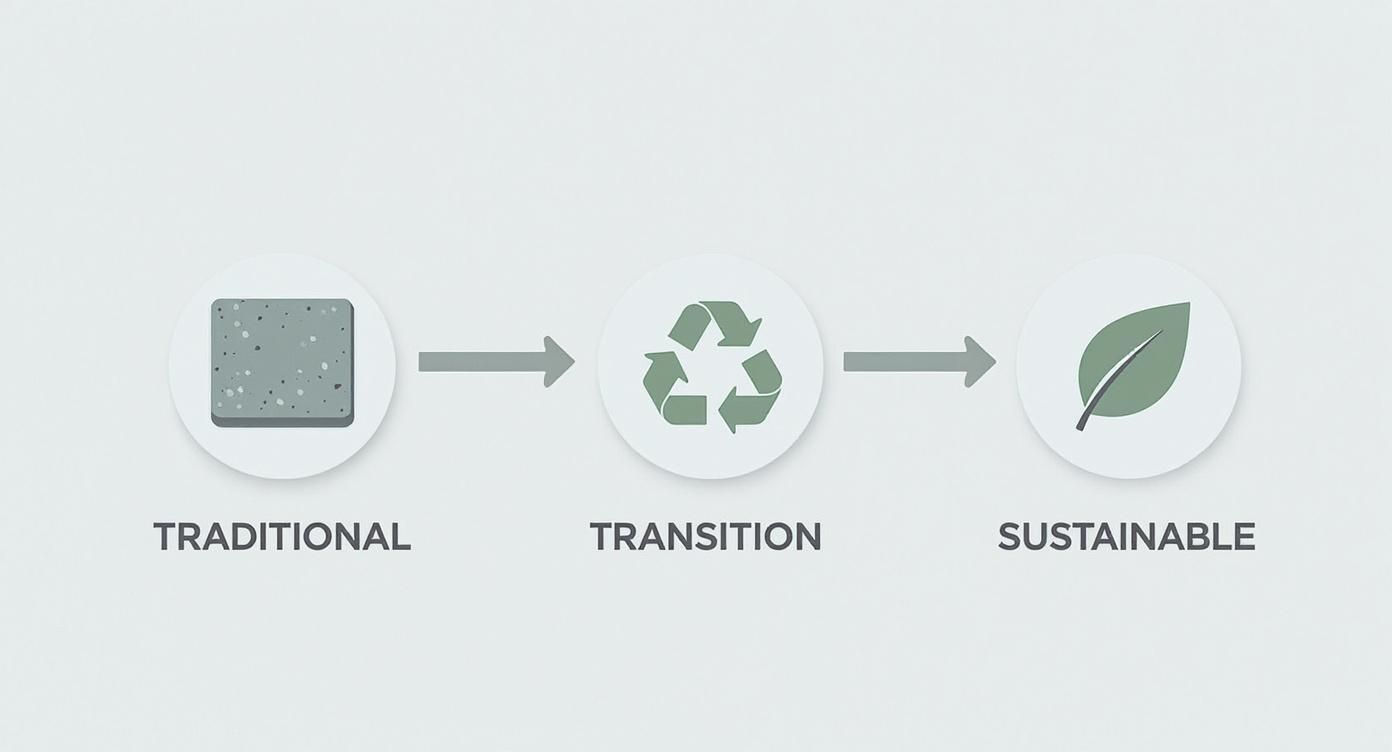
You can see the clear move away from just picking what is popular and toward making a choice that feels good for both your home and the planet.
Natural vs. Manufactured Materials
The debate between natural stone and man-made surfaces is at the heart of this conversation. While engineered products like quartz offer consistency, they are still manufactured materials. Their production often involves resins, pigments, and a lot of energy. If you want to learn more, you can explore the details in our guide on what engineered stone is.
Natural stone, on the other hand, is a “single-ingredient” product. It was created by the earth, not in a factory. That beautiful simplicity is its greatest strength from a health and environmental standpoint.
By choosing a natural stone, you are bringing a piece of the earth into your home—one that is free from synthetic binders and additives. This ensures a healthier indoor atmosphere.
Defining a sustainable stone surface comes down to asking the right questions. It’s about demanding transparency from your supplier and making a choice that matches your values for health, long life, and environmental care.
Top Sustainable Stone Choices for Your Home
Choosing a sustainable stone surface is about bringing a piece of the earth into your home that is both beautiful and kind to the planet. For California homeowners, this often means finding natural stones that feel right at home with our state’s styles—from the light, airy feel of a Monterey coastal home to the rustic vibe in the Bay Area.
You are looking for natural materials that last a long time and have a low-VOC profile. Unlike engineered surfaces, natural stone is a “single-ingredient” product, pulled straight from the earth. That simplicity makes it a better choice for healthy indoor air and timeless design.
Limestone: A Soft and Earthy Classic
Limestone brings a warm, organic feel to a room. Its soft, earthy tones, from creamy beige to gentle gray, have a character that feels both ancient and modern. The surface often shows tiny fossils, telling a story no man-made material can.
This simple elegance makes limestone perfect for creating calm environments. It works beautifully for bathroom vanities, fireplace surrounds, and low-traffic flooring. Its timeless appeal ensures it will remain a classic.
Quartzite: The Durable and Dramatic Option
For anyone who loves the dramatic look of marble but needs something much tougher, quartzite is the answer. It is formed from sandstone under intense heat and pressure. This process makes it one of the most durable natural stones you can find, ideal for kitchen countertops.
Quartzite offers stunning visual depth, with beautiful veins that catch the light. To learn more about what sets different materials apart, you can explore our guide on the types of natural stone.
Regionally Sourced Marble: Conscious Luxury
While many famous marbles are sourced from across the globe, choosing options quarried closer to home can greatly reduce a project’s carbon footprint. This approach supports a more sustainable supply chain. It allows you to enjoy marble’s timeless beauty without the environmental cost.
The demand for high-quality, long-lasting materials is a huge driver in the design world. The U.S. natural stone market continues to grow as homeowners prioritize durable materials, as noted in this rising demand from Grand View Research.
Choosing a sustainable stone is not about limitation; it’s about making a thoughtful selection. By picking materials like limestone, quartzite, and regionally sourced marble, you are investing in a surface that is healthy, durable, and truly timeless.
This idea of “green is the new granite” is reshaping how California homeowners think, proving that eco-friendly choices and luxury design can go hand in hand.
The Importance of Stone Sourcing and Transparency
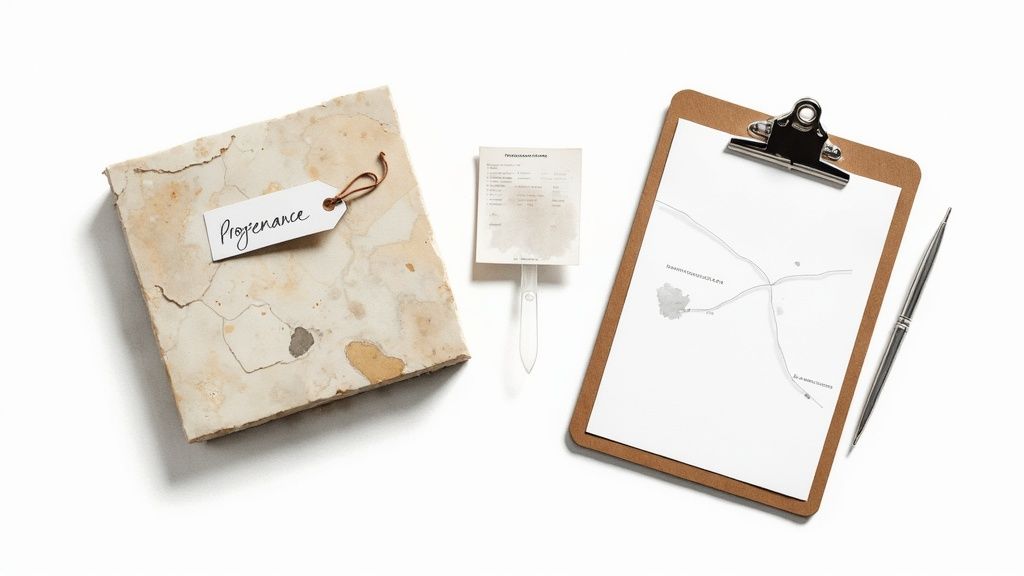
Knowing the story behind your stone is just as important as its color and pattern. This idea, called stone provenance, is a huge part of making a sustainable choice. It’s about understanding where your stone was quarried and its journey to your home.
When you think about green is the new granite, a big piece of that puzzle is transparency. A trustworthy supplier should be able to tell you a slab’s origin story. This information helps you make a choice that matches your environmental values.
The Benefits of Local and Regional Sourcing
Choosing a stone that was quarried closer to home has major environmental benefits. The most obvious one is the sharp drop in transportation emissions. A slab from a local or regional quarry has a much smaller carbon footprint than one shipped across an ocean.
Carmel Stone Imports offers a selection of locally sourced and regionally quarried materials. This helps reduce transport emissions and supports our local economies. To learn more, check out our guide on where designers get their natural stone materials.
By choosing locally or regionally sourced stone, you’re not just getting a beautiful surface. You’re investing in your local economy and helping the planet.
The origin of your stone slab directly impacts its sustainability. The table below breaks down how different sourcing methods compare.
How Stone Sourcing Affects Its Environmental Footprint
| Sourcing Method | Environmental Impact | Economic Impact | Example |
|---|---|---|---|
| Local Sourcing | Lowest carbon footprint due to minimal transportation. Quarries are often subject to strict state environmental regulations. | Supports local jobs, craftsmanship, and businesses, keeping money within the community. | A granite slab quarried in the Sierra Nevada mountains for a home in Palo Alto. |
| Regional Sourcing | Low carbon footprint. Slightly more transportation than local, but still much less than international shipping. | Strengthens the regional economy and fosters a more resilient supply chain. | A marble slab from a quarry in a neighboring state used for a project in San Diego. |
| Global Sourcing | Highest carbon footprint. Long-distance shipping contributes significantly to greenhouse gas emissions. | Can support developing economies, but transparency is key to ensure fair labor. | A quartzite slab shipped from Brazil to a showroom in Los Angeles. |
As you can see, choosing local or regional stone is a powerful way to reduce your project’s environmental impact.
The Smart Use of Stone Remnants
Sustainability is also about being resourceful and reducing waste. In the world of stone, this means finding creative uses for stone remnants. These are smaller, high-quality pieces left over after a large slab is cut.
Instead of ending up in a landfill, these gorgeous pieces are perfect for smaller projects. They offer a great way to bring a touch of luxury into your home in a conscious way.
Some great ways to use stone remnants include:
- Bathroom Vanities: Create a stunning focal point in a powder room.
- Fireplace Surrounds: Add timeless elegance to your living room.
- Custom Shelving: Design unique, durable shelves for a study or kitchen.
- Laundry Room Countertops: Bring durability and style to a functional space.
Using remnants is a powerful move to cut down on waste while adding high-end surfaces to your home.
Frequently Asked Questions
What is the most sustainable type of stone countertop?
The most sustainable choice is a durable, locally or regionally sourced natural stone like quartzite or limestone. Its long lifespan means less replacement and waste. Sourcing it nearby also cuts down on carbon emissions from transportation.
Are natural stones better for indoor air quality?
Yes, natural stones are excellent for indoor air quality. They are completely free of Volatile Organic Compounds (VOCs). These are chemicals found in many man-made materials that can be released into the air.
How does choosing a sustainable stone add value to my home?
Sustainable materials are a sign of quality and thoughtful design, which is very appealing to modern buyers. The Q4 2025 Insight Report shows that eco-conscious design is a growing trend. High-income homeowners prefer natural longevity over short-lived fads, increasing your home’s perceived value.
Can I find sustainable stone options that fit a modern Bay Area aesthetic?
Absolutely. The clean lines and natural textures of stones like quartzite and certain marbles fit perfectly with modern Bay Area styles. Their durability and timeless look align with the region’s focus on quality and conscious living.
Is it more expensive to choose a sustainable stone?
Not always. While some rare stones can be costly, many durable and beautiful options like limestone are competitively priced. Using stone remnants for smaller projects is also a very budget-friendly way to incorporate sustainable luxury into your home.
Your Partner in Sustainable Design
Choosing sustainable stone is an investment in your home’s beauty, health, and future value. It is about making a choice that reflects both personal and environmental values.
Ready to build a home that’s as conscious as it is beautiful? The expert team at Carmel Stone Imports is here to guide you toward eco-luxury that lasts. Visit our showrooms in Carmel, Sand City, or Palo Alto to explore sustainable stone options.