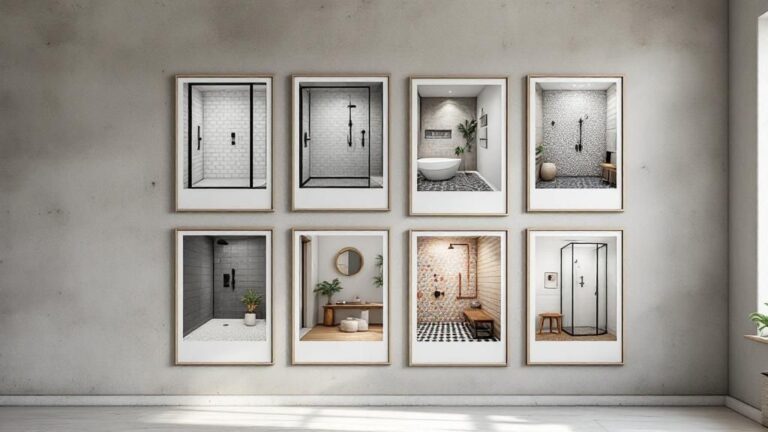
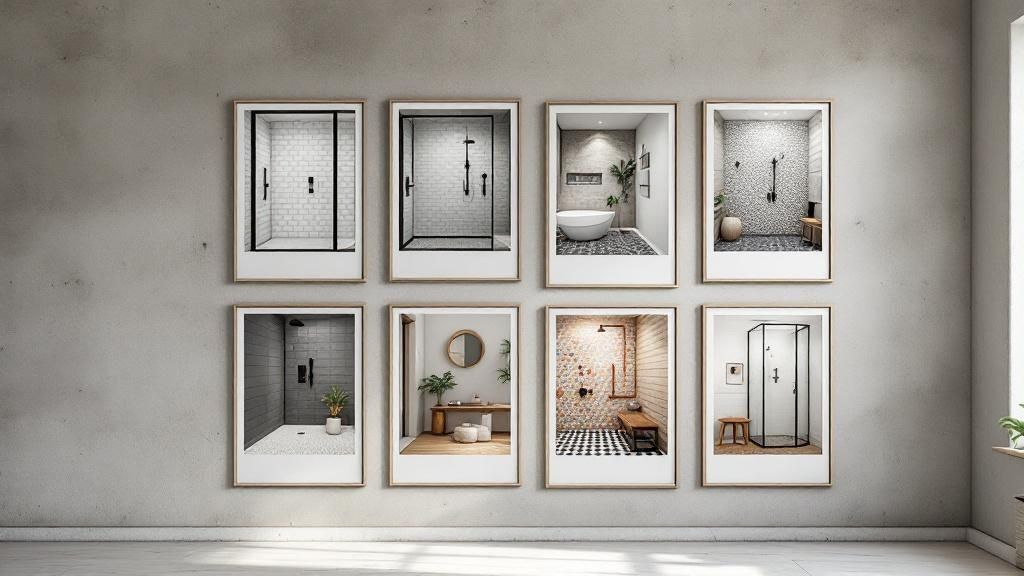
Transforming a basement from a neglected space into a functional and stylish living area often includes adding a full bathroom. A well-designed shower is the centerpiece of this upgrade, turning a once-dark corner into a personal oasis or a convenient guest suite. This guide explores sophisticated basement shower ideas suitable for luxury homes, focusing on how to maximize space, select premium materials from suppliers like Carmel Stone Imports, and integrate features that enhance both form and function.
From industrial-inspired concrete wet rooms to classic walk-in showers with elegant stone tile, you will find actionable insights for your renovation. We will cover specific material recommendations, practical layouts, and design strategies to overcome common basement challenges like low ceilings and limited light. Whether you're an interior designer sourcing for a Bay Area project or a homeowner planning a high-end remodel in Monterey, these concepts will provide the inspiration you need.
1. Walk-In Glass Enclosed Shower
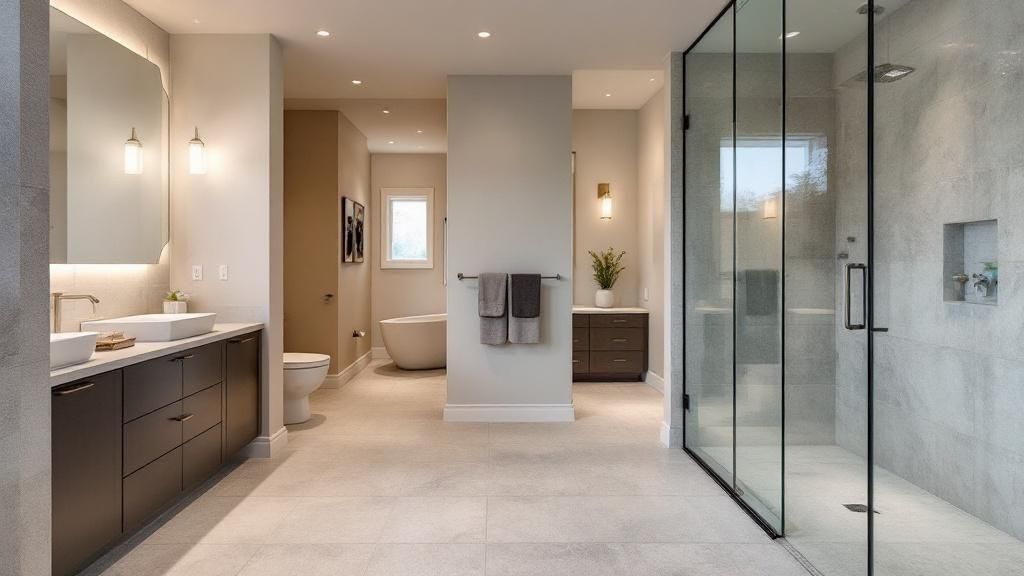
A walk-in glass enclosed shower is one of the most transformative basement shower ideas, instantly elevating a utilitarian space into a luxurious, spa-like retreat. By using large, frameless or minimally framed glass panels, this design creates a seamless visual flow that makes the entire bathroom feel more spacious and open. This is particularly effective in basements, which often lack natural light and can feel enclosed.
The transparent nature of glass allows artificial and natural light to penetrate the shower area, eliminating the dark, cave-like feel common in traditional shower stalls. This design choice is not just about aesthetics; it's a strategic move to enhance the perception of space and brightness. It's a premier choice for high-end basement finishing projects in modern California homes.
Key Considerations for Implementation
Successfully installing a walk-in glass shower requires attention to detail. Proper ventilation is non-negotiable to manage humidity and prevent moisture issues in a subterranean environment. Additionally, selecting the right materials from a trusted source like Carmel Stone Imports is crucial for both safety and style.
- Glass Type: Opt for low-iron glass, also known as ultra-clear glass. It lacks the green tint found in standard glass, ensuring true color visibility for your tilework and a more high-end appearance.
- Flooring: Safety is paramount. Choose a slip-resistant tile for the shower floor. Many modern porcelain and natural stone tiles offer excellent grip without sacrificing design elegance.
- Privacy: If your basement has street-level windows, consider frosted or reeded glass panels to maintain privacy while still allowing light to pass through.
For a quick reference, here is a summary of the primary factors to weigh when considering this design.
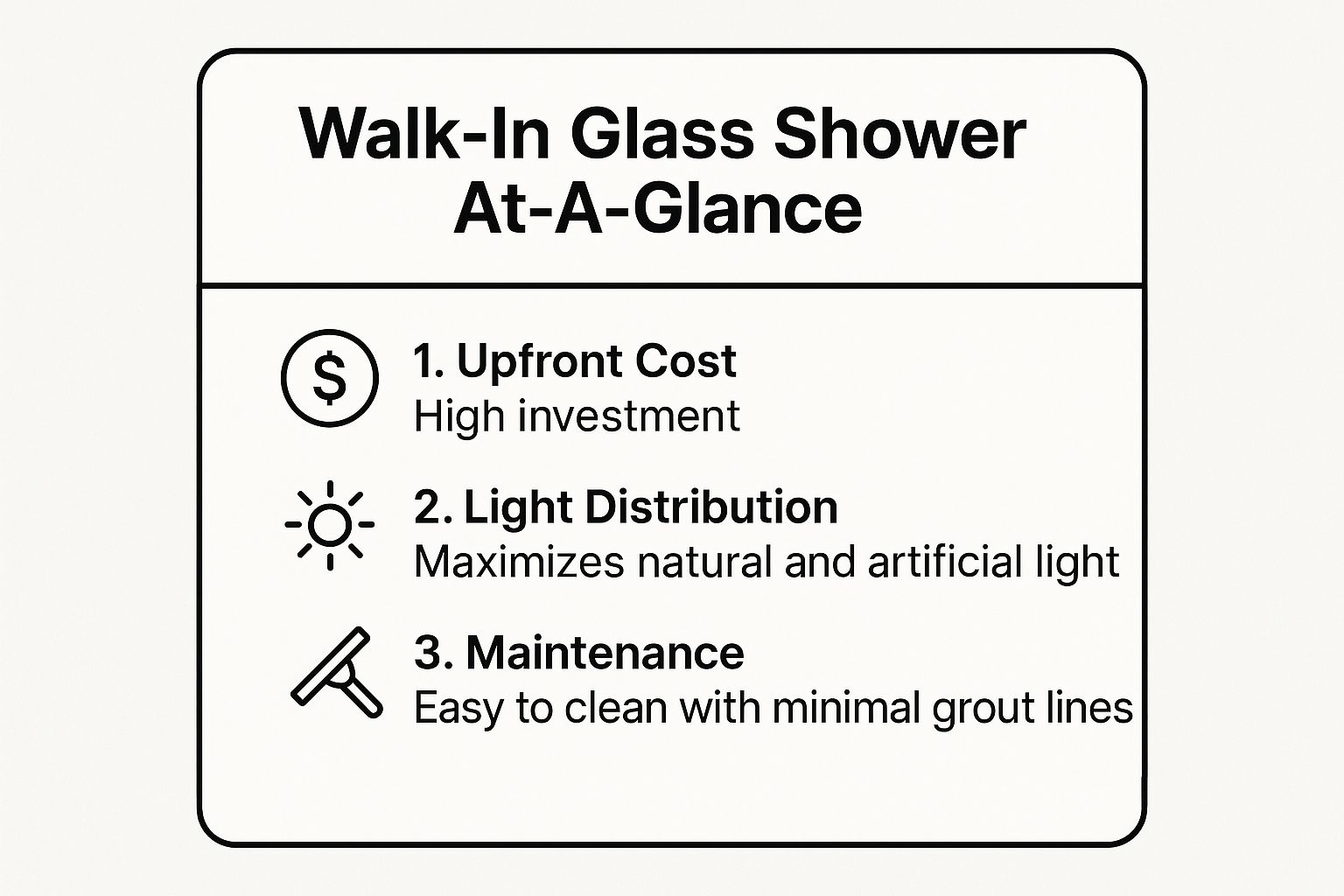
As the infographic highlights, the initial investment is higher, but the return in terms of light distribution and ease of maintenance makes it a worthwhile consideration for a lasting, high-impact design.
2. Corner Shower Stall
For basements where maximizing every square foot is a priority, a corner shower stall is one of the most practical and efficient basement shower ideas. This design neatly tucks the shower into a corner, freeing up valuable floor space for other bathroom fixtures or simply a more open feel. It’s an ideal solution for smaller or awkwardly shaped basement bathrooms, transforming a challenging layout into a fully functional and stylish space.
Corner shower stalls are available as pre-fabricated kits or can be custom-built, offering tremendous design flexibility. With options for curved, neo-angle, or standard square fronts, you can select a shape that best complements your bathroom’s flow and aesthetic. This makes it a go-to choice for smart, space-conscious designs in California homes from Palo Alto to Monterey.
Key Considerations for Implementation
Installing a corner shower requires strategic planning to ensure it integrates seamlessly without feeling cramped. From door selection to material choices, every detail contributes to the final look and functionality of this space-saving design.
- Ceiling Height: Basements often have lower ceilings. Measure your available vertical space carefully before purchasing a pre-fabricated unit, accounting for the shower pan and any overhead lighting or ventilation.
- Door Type: In tight quarters, a hinged door that swings outward can obstruct movement. Sliding or bi-fold glass doors are excellent alternatives that require zero clearance into the bathroom.
- Storage Solutions: Maximize internal space by incorporating built-in corner shelves or a recessed niche for shampoos and soaps. This keeps the shower floor clear and enhances functionality.
- Color Palette: Use light-colored tiles, like a Calacatta porcelain or a light limestone, and a clear glass door to make the stall feel larger and brighter. Exploring a variety of bathroom tile trends available in San Francisco can provide inspiration for creating an open, airy ambiance.
3. Subway Tile Shower with Vintage Fixtures
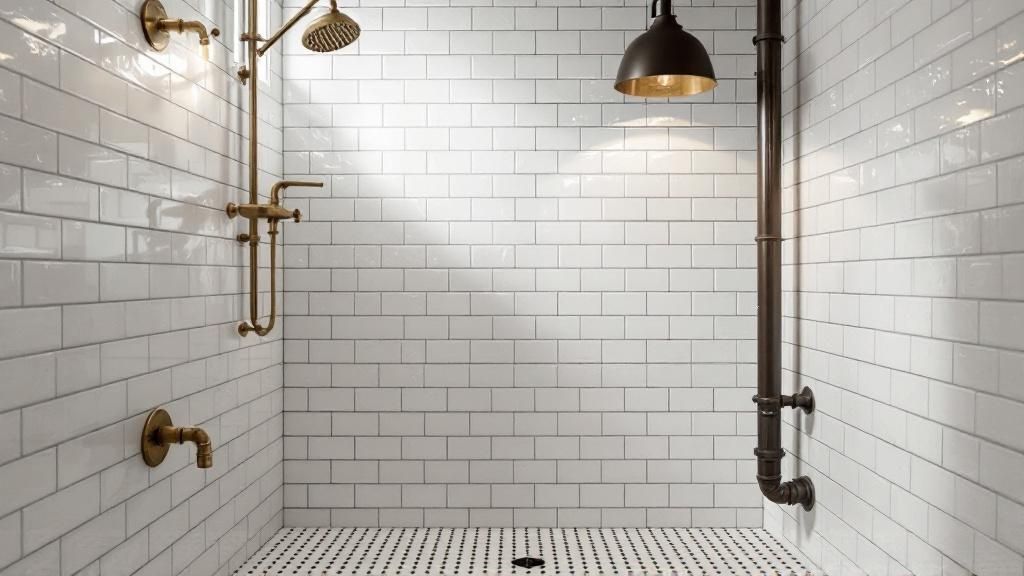
Pairing classic subway tile with vintage-inspired fixtures is a brilliant way to infuse timeless character into a basement shower. This design approach creates an industrial-chic or traditional aesthetic that feels both established and stylish, making it one of the most versatile basement shower ideas. The clean, uniform lines of subway tile provide a perfect backdrop for ornate or utilitarian fixtures, such as exposed brass plumbing or oil-rubbed bronze showerheads.
This look transforms a potentially stark basement space into a room with history and personality. It evokes the sophisticated charm of a historic Bay Area loft, adding significant design value without relying on overly complex materials. The inherent brightness of white ceramic or porcelain tile also helps counteract the limited natural light common in subterranean levels.
Key Considerations for Implementation
Executing this classic look requires a focus on balance and detail. The magic lies in the interplay between the simple tile and the character-rich hardware. Proper tile selection and installation are fundamental to achieving a polished, high-end result.
- Grout Choice: Use a contrasting grout, such as dark gray or black, to make the white subway tiles pop. This defines the grid pattern and enhances the graphic, industrial feel of the design.
- Fixture Finish: Commit to a single metal finish for your fixtures. Polished nickel, oil-rubbed bronze, and unlacquered brass are excellent choices that develop a beautiful patina over time, adding to the vintage appeal.
- Tile Variation: Introduce visual interest by mixing tile sizes or laying patterns. Consider a herringbone pattern on one wall or a larger-format subway tile on the floor for a subtle, custom touch. For more insights, explore this complete guide to tile selection and installation for your home.
4. Tiled Shower Pan with Bench Seating
A tiled shower pan with integrated bench seating is a sophisticated choice that offers a seamless and custom-built aesthetic. This approach involves tiling the entire shower floor to match or complement the walls, eliminating prefabricated bases. The addition of a built-in, tiled bench enhances both comfort and functionality, transforming a simple shower into a personal steam room or spa-like sanctuary.
This design is particularly effective for basement shower ideas because it provides a unified, high-end look that can make a subterranean space feel intentionally designed. The continuous tile work across the floor, walls, and bench creates an illusion of a larger, more cohesive area. Customization allows you to tailor the bench's size, shape, and height to fit the bathroom's layout perfectly.
Key Considerations for Implementation
Building a custom-tiled shower requires technical precision, especially in a below-grade environment where moisture management is paramount. The success of the installation hinges on a flawless waterproofing system and careful material selection to ensure longevity and safety.
- Waterproofing Membrane: This is the most critical component. A high-quality, continuous waterproof membrane must be installed over the shower base, curb, and bench before any tile is laid. This creates an impenetrable barrier against water infiltration.
- Proper Slope: The shower floor must have a precise and adequate slope (a minimum of 1/4 inch per foot) toward the drain. This ensures complete water drainage and prevents pooling, which is essential for avoiding mold and mildew growth.
- Bench Ergonomics: For optimal comfort, the bench seat should be between 17 and 19 inches high and 12 to 15 inches deep. The surface should also be slightly sloped toward the drain to prevent water from sitting.
Working with experienced tile contractors is essential. For those in California seeking the perfect materials, exploring options from premier suppliers can provide inspiration and quality assurance. Find out more by browsing the selections at top-rated tile stores in the Bay Area.
5. Compact All-in-One Shower Unit
For basements where space is at a premium or simplicity is the goal, a compact all-in-one shower unit offers one of the most practical and efficient basement shower ideas. These prefabricated kits integrate the walls, shower base, and sometimes even the ceiling into a single, seamless component. This design eliminates the complex waterproofing and tiling process, dramatically reducing installation time and labor costs.
This streamlined approach is ideal for creating a functional guest bathroom, a post-workout rinse station, or a simple utility shower. Modern units have evolved far beyond basic fiberglass stalls and now include sophisticated designs with built-in shelving, molded seats, and sleek aesthetics that complement contemporary California home styles. The self-contained nature of these units also ensures a watertight seal, providing peace of mind against potential moisture issues.
Key Considerations for Implementation
Choosing and installing a prefabricated unit requires careful planning to ensure a perfect fit and long-term performance. While simpler than a custom tile shower, precision during the rough-in and installation phases is essential for a professional, leak-free result.
- Precise Measurements: Before ordering, measure the rough opening (width, depth, and height) meticulously. Account for the unit's flange and ensure there is enough clearance to maneuver the unit into place.
- Subfloor Integrity: The subfloor must be perfectly level and structurally sound to support the unit without flexing. An uneven base can cause stress cracks in the shower floor and compromise its integrity.
- Plumbing Alignment: Plan the drain and supply line locations to align exactly with the pre-drilled openings in the unit. Misaligned plumbing is a common and costly installation mistake.
6. Industrial Style Concrete Shower
An industrial style concrete shower introduces a raw, minimalist, and undeniably modern aesthetic to a basement bathroom. This design leverages the textural appeal of polished or troweled concrete-look porcelain for walls and floors, creating a monolithic and seamless look that feels both grounded and high-end. Paired with exposed fixtures like black metal showerheads, this style evokes the sophisticated, urban loft ambiance popular in contemporary architectural homes.
This approach is one of the most durable and unique basement shower ideas, transforming an overlooked area into a bold design statement. Using large-format concrete-look tiles minimizes grout lines, making it easier to clean and maintain than traditional tile. It works exceptionally well in basements, creating a cohesive and purposeful space that is perfect for a modern California home conversion.
Key Considerations for Implementation
Executing a concrete-look shower correctly is critical to prevent leaks and ensure longevity. Proper surface preparation, waterproofing, and sealing are non-negotiable for a successful installation in a subterranean environment, where moisture management is a top priority.
- Proper Sealing: While porcelain tile is non-porous, the grout lines are not. Using a high-quality grout and sealer is essential to protect against water absorption, staining, and mold growth.
- Radiant Floor Heating: Basements can be cold. Integrating radiant heating coils beneath the tile surface adds a touch of luxury and comfort, making the shower experience much more inviting, especially in the cooler Monterey climate.
- Careful Drainage Planning: A precisely sloped floor is crucial for effective water drainage in a curbless or integrated concrete-look shower. The drain must be planned and installed perfectly to prevent water from pooling.
- Embrace Balance: Concrete-look porcelain can be paired with refined elements like wood or natural stone for a warmer feel. Learn more about how to balance raw materials with polished finishes for a sophisticated look.
7. Open Concept Wet Room
An open concept wet room is a bold and sophisticated choice among basement shower ideas, drawing inspiration from European hotel design. This approach eliminates the traditional shower curb and enclosure, creating a single, fully waterproofed space where the shower floor is contiguous with the rest of the bathroom. Water is managed by a gentle, precisely engineered slope in the floor leading to a linear or central drain.
This design dramatically enhances the sense of space, making it ideal for basements that can otherwise feel cramped. By removing physical barriers, a wet room fosters an environment of seamless flow and accessibility. It's a particularly powerful solution for modern Bay Area homes aiming for a clean, architectural look and offers unparalleled accessibility, embodying the principles of universal design.
Key Considerations for Implementation
Executing a successful wet room requires meticulous planning and expert installation, as the entire room becomes a water containment system. Proper waterproofing and ventilation are absolutely critical to prevent moisture damage in a below-grade setting.
- Waterproofing: A continuous, high-performance waterproof membrane must be installed across the floor and up the walls to a specified height. This creates a "tanked" room that reliably contains water.
- Floor Slope & Drain: The floor must be expertly sloped towards the drain at a gradient sufficient for effective drainage but comfortable for walking. A high-capacity linear drain is a popular and efficient choice.
- Material Selection: Use large-format, slip-resistant tiles for flooring and walls to minimize grout lines and enhance safety. Carmel Stone Imports offers an extensive selection of porcelain and natural stone ideal for wet room applications.
8. Steam Shower for a Home Spa Experience
Transforming your basement into a luxurious home spa is one of the most aspirational basement shower ideas, and a steam shower is the centerpiece of that vision. A steam shower integrates a steam generator that fills the enclosure with warm, therapeutic vapor, creating an immersive wellness experience. This addition turns a functional basement bathroom into a private sanctuary for relaxation and rejuvenation.
Installing a steam unit is a strategic investment in both lifestyle and property value, particularly appealing to luxury homeowners in California. By creating a fully sealed, vapor-proof enclosure, you can enjoy benefits like improved circulation and respiratory relief right at home. The sense of escape it provides makes it a premier choice for basement remodels focused on creating a personal retreat.
Key Considerations for Implementation
A successful steam shower installation requires meticulous planning to handle the high heat and moisture levels. Unlike a standard shower, every surface and joint must be completely waterproofed and sealed to prevent steam from escaping.
- Enclosure Materials: Use non-porous materials like porcelain, ceramic, or high-density natural stone that can withstand constant moisture and heat. The enclosure must be fully sealed with a vapor-proof barrier behind the tile.
- Ceiling Slope: The ceiling inside the steam shower must be sloped, typically at a grade of 2 inches per foot, to allow condensation to run down the walls instead of dripping onto the occupant.
- Ventilation and Generator Placement: While the shower itself is sealed, the bathroom requires powerful ventilation to manage moisture when the door is opened. The steam generator must be installed in a nearby, accessible, and dry location like a closet or utility room.
Basement Shower Ideas: Feature Comparison of 8 Designs
| Shower Type | Implementation Complexity ???? | Resource Requirements ⚡ | Expected Outcomes ???? | Ideal Use Cases ???? | Key Advantages ⭐ |
|---|---|---|---|---|---|
| Walk-In Glass Enclosed Shower | High – requires professional installation | High – quality glass, waterproofing, hardware | Luxurious, spacious feel, enhanced light | Modern, upscale basements needing light & space | Modern aesthetic, easy to clean, increases value |
| Corner Shower Stall | Low to Medium – simpler installation | Low to Medium – prefabricated or custom sizes | Space-efficient, functional | Small basements, low ceilings, tight corners | Maximizes space, cost-effective, easy install |
| Subway Tile Shower with Vintage Fixtures | Medium – tiling and fixture installation | Medium – tiles, vintage hardware | Timeless, industrial-chic style | Basements with industrial or vintage themes | Classic look, affordable, easy to maintain |
| Tiled Shower Pan with Bench Seating | High – custom build with skilled labor | High – custom tile work, waterproofing | Spa-like luxury, fully customized | Large or custom basement showers needing comfort | Fully customizable, built-in seating, seamless design |
| Compact All-in-One Shower Unit | Low – prefabricated, easy install | Low – manufactured units | Quick, reliable, waterproof | Small spaces, DIY projects, budget installs | Fast install, waterproof, cost-effective |
| Industrial Style Concrete Shower | High – skilled concrete work, sealing required | High – concrete materials, specialized labor | Modern, durable, waterproof | Urban, loft-style basements, modern aesthetics | Unique look, very durable, low maintenance |
| Open Concept Wet Room | High – requires expert waterproofing and ventilation | High – comprehensive waterproofing, good ventilation | Spacious, accessible, modern European style | Accessible bathrooms, open floor concepts | Maximizes space perception, highly accessible |
| Steam Shower for a Home Spa | High – requires vapor-proofing and expertise | High – specialized materials, steam generator | Ultimate home spa, high ROI | Luxury homes, wellness-focused remodels | Therapeutic benefits, adds significant property value |
Frequently Asked Questions
1. What is the best tile for a basement shower?
Porcelain tile is an excellent choice for basement showers due to its extremely low water absorption rate (less than 0.5%), making it highly resistant to moisture and mold. Large-format porcelain tiles also minimize grout lines, which simplifies cleaning and creates a more seamless, modern look ideal for subterranean spaces.
2. How do you deal with low ceilings in a basement shower?
To make a low-ceilinged shower feel taller, use vertical design elements. Install tiles in a vertical pattern, use a linear drain along one wall to draw the eye outward, and choose a clear, frameless glass door to eliminate visual barriers. Recessed, waterproof LED lighting can also create a brighter, more open feel without lowering the ceiling height further.
3. Is a walk-in shower a good idea for a basement?
Yes, a walk-in shower is an excellent idea for a basement. It creates an open, airy feeling that can counteract the typically enclosed nature of a below-grade space. The curbless entry also offers enhanced accessibility and a sleek, modern aesthetic popular in Bay Area and Monterey homes.
4. How much does it cost to add a shower to a basement?
The cost varies significantly, from a few thousand dollars for a simple all-in-one unit to over $20,000 for a custom, luxury steam shower with high-end stone. A 2023 Houzz & Home study notes that bathroom remodels are a top priority for homeowners, with costs depending on labor, materials, and plumbing complexity—especially if an ejector pump is needed.
5. Do I need special ventilation for a basement shower?
Absolutely. Proper ventilation is critical in a basement to prevent mold and mildew. You need a high-quality, powerful exhaust fan vented directly to the outside, not just into the ceiling joists. This is non-negotiable for maintaining healthy air quality and protecting your home's structure.
Final Thoughts
Transforming a utilitarian basement into a functional and inviting space hinges on thoughtful design, and the shower is a cornerstone of that transformation. From the seamless elegance of a walk-in glass enclosure to the rugged appeal of an industrial-style concrete shower, the right design can elevate your lower level from a forgotten area to a luxurious retreat. The key is that a basement shower doesn’t have to be a compromise.
By leveraging smart design choices and high-quality materials from Carmel Stone Imports, you can overcome common challenges like limited light, low ceilings, and moisture concerns. The most successful basement shower ideas are those that harmonize with the home's overall aesthetic while addressing the unique constraints of the space. Your selection sets the tone for the entire bathroom.
Your Next Steps to a Flawless Basement Shower
- Assess Your Space: Before falling in love with a design, take precise measurements and evaluate your plumbing infrastructure. This is the first step toward finding a creative solution.
- Define Your Purpose: Is this a post-workout rinse-off spot, a full guest bathroom, or an in-law suite? The intended use will dictate the necessary features.
- Prioritize Materials: The basement environment demands moisture-resistant materials. Investing in high-quality porcelain, natural stone like travertine, or non-porous engineered surfaces is a long-term investment in preventing water damage.
- Master the Details: As we’ve seen, small details like fixture finishes and lighting make a significant impact. They complete the vision and ensure the space is as practical as it is beautiful.
Ultimately, crafting the perfect basement shower is an opportunity to add significant value and functionality to your home. It’s a chance to reclaim underutilized square footage and create a feature that enhances your lifestyle.
Ready to bring your sophisticated basement shower ideas to life? The foundation of any stunning shower design is the material you choose, and the team at Carmel Stone Imports offers an unparalleled selection of natural stone, porcelain, and engineered surfaces perfect for subterranean applications. Visit our showrooms in Palo Alto, Carmel, or Monterey, or contact us today to find the ideal moisture-resistant and elegant materials for your project.