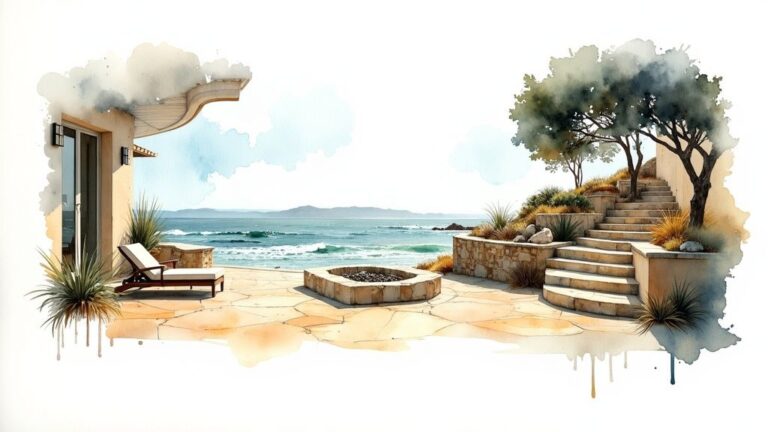
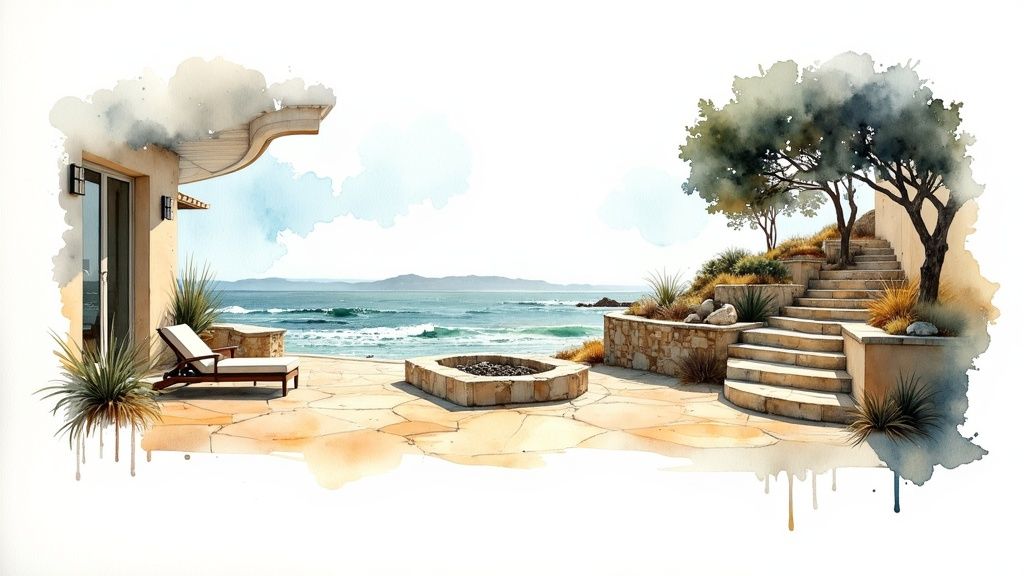
From the coast to the hills, Bay Area homeowners are turning their outdoor areas into beautiful, functional living spaces. The region’s unique climate, stretching from Monterey to Palo Alto, demands materials that are both tough and attractive. This guide will help you choose the best natural stone for Bay Area outdoor living spaces, making sure your patios and outdoor kitchens look great and last for years.
Homeowners throughout the Central Coast and Bay Area—including Carmel, Santa Cruz, and San Jose—are focusing on outdoor living spaces. Our temperate climate makes year-round outdoor entertaining possible. Design trends now favor smooth transitions from inside to outside living areas.
Instead of traveling, many homeowners are making their backyards into personal retreats. They are adding stone-clad outdoor kitchens, poolside lounge areas, and firepit zones. These upgrades improve their lifestyle and increase home value.
1. Bluestone – Coastal Patios and Walkways
Bluestone is a type of stone known for its dense makeup and blue-gray color. Its natural, varied look offers a classic style that fits well in Bay Area landscapes, from Marin County to San Francisco. This stone is a great choice for coastal patios, walkways, and pool areas.
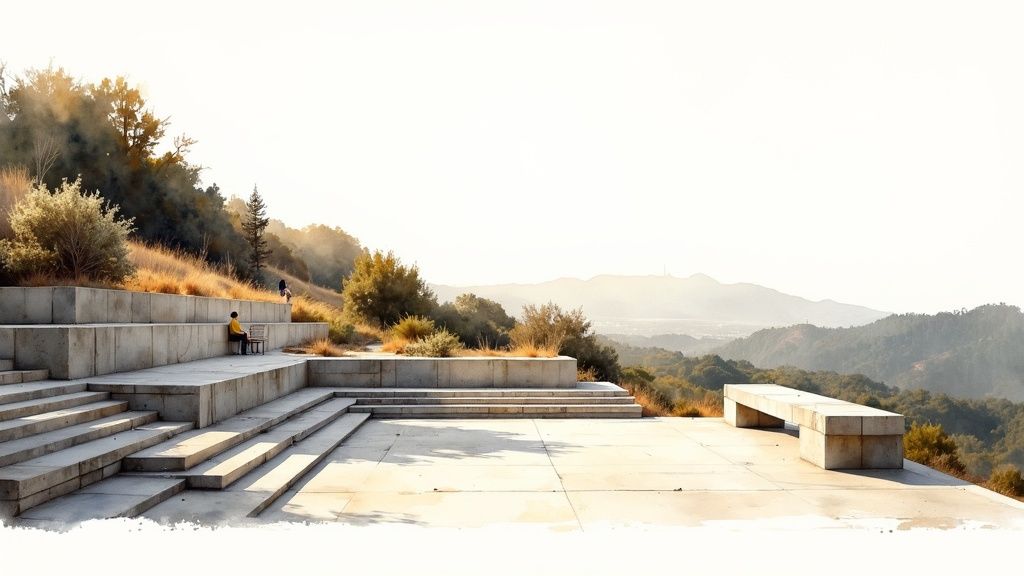
This material is great for projects that need a smooth flow from indoors to outdoors. Its rich, natural colors connect your home's interior with the beauty of the California coast. This creates a unified and open feel, perfect for entertaining guests.
Key Considerations for Bay Area Applications
To make sure bluestone looks great in the region's climate, keep these points in mind:
- Slip Resistance: Choose a thermal or "flame-finished" surface. This texture provides excellent slip resistance, which is important for pool areas and rainy patios.
- Color Maintenance: Seal the stone every year. This helps protect it from salt air and sun, keeping its deep, cool tones from fading.
- Proper Care: Use only non-acidic cleaners. Harsh chemicals can damage the stone’s surface and color, so always pick a pH-neutral cleaner.
2. Granite – Hillside Hardscaping and Durable Features
Granite is a hard and durable natural stone made of quartz, feldspar, and mica. Its amazing strength makes it perfect for Bay Area hillsides, from the Oakland Hills to Sonoma County. The stone's tough structure holds up well against different weather conditions.
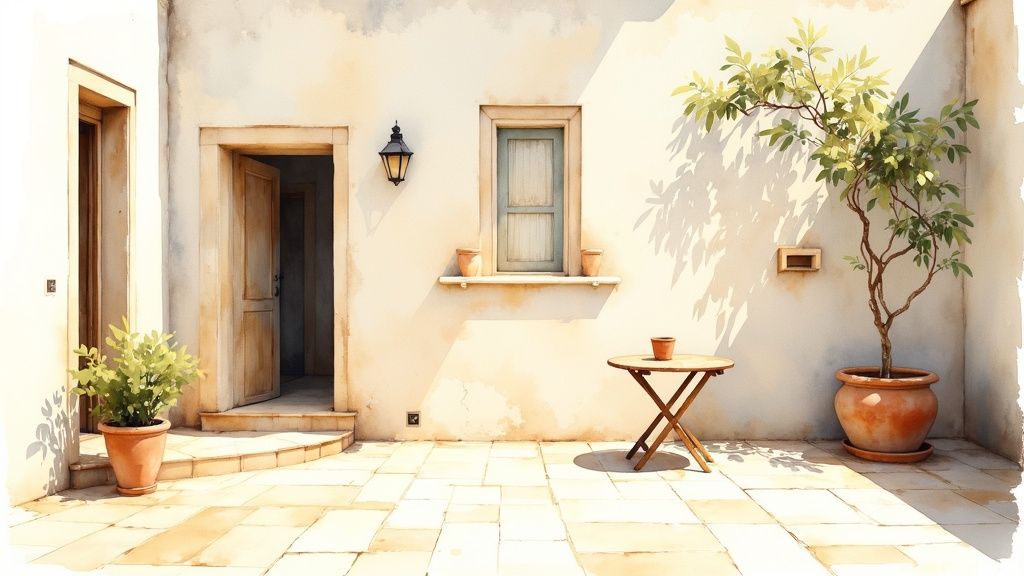
This material is ideal for retaining walls, outdoor kitchen countertops, and large staircases. Its toughness ensures it can handle shifting soils and extreme weather with little upkeep. For homeowners wanting to make a lasting impression, granite offers both beauty and strength.
Key Considerations for Bay Area Applications
To get the most out of granite in tough hillside areas, consider the following:
- Slip Resistance: Always pick a flamed or brushed finish for outdoor surfaces. These textured finishes provide needed traction for steps and walkways.
- Color Selection: Darker granites are great at hiding dirt and salt residue. This helps keep a clean look with less work.
- Proper Care: Apply a penetrating sealer once a year, especially for lighter colors. This protects the stone from stains and moisture.
3. Travertine – Mediterranean Courtyard Elegance
Travertine is a stone with warm, earthy tones and a unique pitted texture. Its character is perfect for Mediterranean-style landscapes, making it a popular choice in Bay Area wine country. From Napa Valley to Sonoma, its warm colors match California's home styles.
This stone is great for creating a rustic yet elegant feel, like a Tuscan villa. The natural patterns in travertine add depth and a sense of history. It is ideal for creating beautiful courtyards, pool decks, and welcoming terraces.
Key Considerations for Bay Area Applications
To ensure your travertine feature performs beautifully from the coast to the hills, consider the following for your Bay Area outdoor living spaces:
- Surface Selection: Choose a "filled" travertine for a flatter surface in busy areas like patios. An unfilled look is more rustic but may need more care.
- Protective Sealing: Apply a good sealer to protect the stone from moisture and stains. Resealing every year is important, especially near pools.
- Proper Cleaning: Do not use acidic cleaners, as they can damage the surface. Always use a pH-neutral, stone-safe cleaner.
4. Slate – Contemporary Outdoor Rooms and Decking
Slate is a rock that naturally splits into thin, flat sheets, valued for its modern look. Its deep, uniform colors are a perfect match for contemporary homes in Marin, San Francisco, and Silicon Valley. Slate adds a refined, textured quality to outdoor rooms and terraces.
This material is great for creating dramatic focal points. Think of a feature wall behind a fountain or a striking surface for an outdoor fireplace. The stone’s natural texture adds visual interest to a minimalist design.
Key Considerations for Bay Area Applications
To get the best performance from slate in your outdoor space, consider the following:
- Finish Selection: Ask for a honed finish for outdoor use. This matte surface is safer and less slippery than a polished finish.
- Color Choice: Pick dark gray or black slate to hide weathering and stains over time. These deep tones create a strong, modern look.
- Proper Drainage: Make sure your design includes proper drainage. Slate is not porous, so water can pool on the surface if it's not sloped correctly.
5. Limestone – Transitional Garden Features and Softscape
Limestone is a stone known for its warm tones and soft look. Its fine texture and inviting colors of beige, cream, and gray make it ideal for Bay Area landscapes. It works well in designs that mix formal and casual styles, from Marin gardens to Peninsula homes.
This stone is best used for adding character without overpowering the natural setting. It is perfect for garden borders, elegant water features, and low retaining walls. The material’s lighter color provides a soft, organic touch that improves the surrounding plants.
Key Considerations for Bay Area Applications
To keep limestone beautiful in gardens from the East Bay hills to San Francisco, remember these points:
- Strategic Placement: Use limestone for decorative features with less foot traffic. It works best in protected areas like garden borders or wall caps.
- Surface Protection: Apply a good sealer and reapply it every year. This is important for protecting the stone from moisture and stains.
- Proper Care: Always use pH-neutral, non-acidic cleaners. Harsh chemicals can easily damage limestone, so gentle cleaning is key.
6. Basalt – Volcanic Drama and Coastal Resilience
Basalt is a dense volcanic rock, making it one of the most durable natural stones. Its deep, dramatic color, from charcoal gray to black, offers a powerful connection to the Bay Area's geology. This stone is perfect for making a bold statement in both coastal and hillside landscapes.
This material brings a raw, natural beauty to outdoor spaces. Its dark, uniform tones create a stunning visual anchor, especially for retaining walls or modern patios. When looking for the best natural stone for Bay Area outdoor living spaces, basalt offers a great mix of local style and powerful looks.
Key Considerations for Bay Area Applications
To use basalt’s unique qualities in your landscape, keep these points in mind:
- Surface Texture: Choose a split-face or flamed finish. This texture improves the stone's natural look and provides excellent slip resistance.
- Heat Absorption: Because it's dark, basalt absorbs heat. Be careful where you place it in sunny seating areas or barefoot zones.
- Visual Balance: Mix basalt with lighter-colored stones or bright plants. This contrast keeps the dark tones from being too much and creates a balanced design.
7. Sandstone – Warm Rustic Appeal and Architectural Character
Sandstone is a rock made of sand-sized particles, offering warm earth tones and a weathered look. Its organic texture and rich colors, from golden yellows to deep reds, make it a favorite for hillside properties in Wine Country. This stone’s natural patterns create a visual depth that fits with California's style.
This material is ideal for projects that want a sense of history and connection to the land. When planning a sandstone project, it's helpful to understand the costs, like the practical pricing for sandstone retaining walls. Its ability to age well makes it one of the best choices for outdoor spaces seeking warmth and character.
Key Considerations for Bay Area Applications
To make sure sandstone improves your property with its rustic charm, keep these points in mind:
- Embrace Natural Weathering: Choose red and gold types that weather nicely over time. This aging process adds to the stone's character.
- Seal for Longevity: Apply a high-quality sealer and reapply it every 18-24 months. This protects it from moisture and staining.
- Choose the Right Finish: Pick a split-face or rough-sawn finish for walls or fire features. These textured surfaces hide wear and add to the rustic look.
8. Soapstone – Soft Luxury and Low-Maintenance Elegance
Soapstone is a rock made mostly of talc, giving it a soft and warm feel. Its silky, non-porous surface and deep gray-green color bring a refined experience to outdoor spaces. This stone is perfect for Bay Area homes where low-maintenance luxury is the goal.
This material is great as a luxury accent, improving certain areas of a design. Imagine it framing a spa area or as a countertop for an outdoor bar. Because soapstone is non-porous, it resists stains and doesn't need sealing, which makes it easy to care for.
Key Considerations for Bay Area Applications
To best use soapstone's unique qualities in your outdoor design, consider these tips:
- Strategic Placement: Use soapstone for low-traffic entertaining areas or special features. Its softer nature is better for accent walls or spa surrounds than for main walkways.
- Embrace Patina: Soapstone naturally darkens over time when exposed to weather. This aging process improves its organic character and adds a timeless feel.
- No Sealing Needed: Take advantage of its non-porous nature. Unlike many other stones, soapstone does not need to be sealed, making it a low-maintenance choice.
9. Quartzite – Modern Durability and Sophisticated Aesthetics
Quartzite is a rock formed when sandstone is heated and pressed, creating a material that is as strong as granite but with a more refined look. Its unique veining and subtle colors are perfect for modern Bay Area homes, from Marin to Silicon Valley. This stone provides a high-performance, elegant base for patios and outdoor kitchens.
This material is great for projects that need both a strong visual look and long-lasting toughness. Its polished, marble-like appearance improves outdoor entertainment areas. The Insight Report shows a big rise in demand for materials like quartzite and porcelain pavers for outdoor projects in California.
Key Considerations for Bay Area Applications
To make sure quartzite performs well in the region’s different climates, keep these points in mind:
- Outdoor Safety: Always ask for a flamed, honed, or textured finish. These surfaces provide important slip resistance for patios and pool decks.
- Visual Impact: Choose slabs with bold veining to create a dramatic focal point. This natural art adds visual interest and highlights the stone's strength.
- Weather Resilience: Even though it is very dense, sealing it is a good idea. This protects it against moisture and stains through the Bay Area’s wet winters.
10. Schist – Layered Texture and Native Authenticity
Schist is a rock known for its visible layered structure and shimmering texture. This natural look feels connected to local geology, making it a great choice for modern Bay Area gardens. Its layered surfaces create dramatic visual effects and are durable for coastal and hillside conditions.
This stone is especially good for adding texture and a connection to nature. In designs that mix modern homes with the rugged California landscape, schist connects the man-made and natural worlds. Its dynamic surface catches light beautifully, adding visual interest that changes throughout the day.
Key Considerations for Bay Area Applications
To use schist’s unique beauty in the region’s climate, consider these key points:
- Source Locally: For a true local feel and sustainability, get schist from Bay Area quarries. This ensures the stone’s color and character match the local environment.
- Use as an Accent: Schist works best as a dramatic accent for garden walls or fire pits. It is less practical for large paved areas.
- Create Visual Contrast: Pair its textured surface with smooth materials like concrete. This contrast highlights the schist’s unique layers and creates a balanced, modern look.
Bring Your Vision to Life with the Perfect Stone
Choosing the right natural stone for your Bay Area home is about more than just looks. It’s about creating a lasting part of your living space that honors the region's beauty. From Santa Cruz to San Jose, the perfect stone fits its surroundings while performing well for years.
If you’re planning an outdoor renovation, pick materials that will stand up to coastal weather while adding timeless beauty. Start with durable, slip-resistant surfaces. Work with a supplier who understands the style and practical needs of coastal homes.
Key Takeaways for Your Outdoor Project
To make the best choice, balance your design goals with practical needs. Think about these final points:
- Microclimate Matters: A stone that works well in a protected Carmel courtyard may face different issues in an exposed Monterey Bay location. Match your stone’s features to your specific spot.
- Texture is Functional: The finish of your stone is not just for looks. A honed or flamed finish provides better slip resistance for pool decks, which is a key safety feature.
- Harmony is Key: The best outdoor designs create a smooth flow between the inside and outside. Choose a stone that matches your home's style to create a unified look.
Ultimately, choosing from the coast to the hills: the best natural stone for Bay Area outdoor living spaces is a decision that mixes personal taste with the landscape's character. Whether you prefer the rustic charm of Sandstone or the layered look of Schist, your choice is an investment in your home's value and your enjoyment. As you plan your budget, understanding landscaping costs is a key step to make sure your material choices fit your financial plan.
Frequently Asked Questions
What is the most durable natural stone for an outdoor patio?
Granite and quartzite are two of the most durable options for outdoor patios in the Bay Area. Both are extremely hard, resist scratches and stains, and can handle heavy foot traffic and changing weather conditions with minimal maintenance.
Which natural stone is best for around a pool?
Travertine and bluestone with a thermal finish are excellent choices for pool decks. They stay cooler in the sun than darker stones and offer good slip resistance when wet, which is an important safety feature.
Do I need to seal my outdoor stone?
Most natural stones, including limestone, travertine, and sandstone, benefit from a high-quality sealer to protect against moisture and stains. However, very dense stones like soapstone are non-porous and do not require sealing.
How does the Bay Area climate affect natural stone?
The coastal fog and salt air can affect porous stones over time, while the intense sun in hillside areas can cause some materials to fade. Choosing a stone suited to your specific microclimate and sealing it properly will ensure its longevity.
Can I use the same stone inside and outside?
Yes, creating a seamless transition from indoors to outdoors is a popular design trend. Many stones like travertine, limestone, and slate are available in different finishes, allowing you to use a slip-resistant version outside and a smoother one inside for a cohesive look.
Ready to find the perfect stone for your outdoor oasis? Stop by our Carmel, Sand City, or Palo Alto showroom to explore the best natural and engineered stone options for your outdoor space. Our team is ready to help you bring your vision to life with curated materials built for California living.