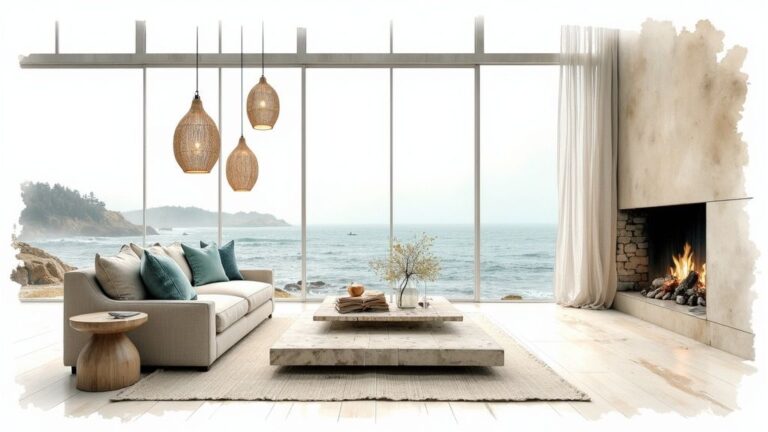
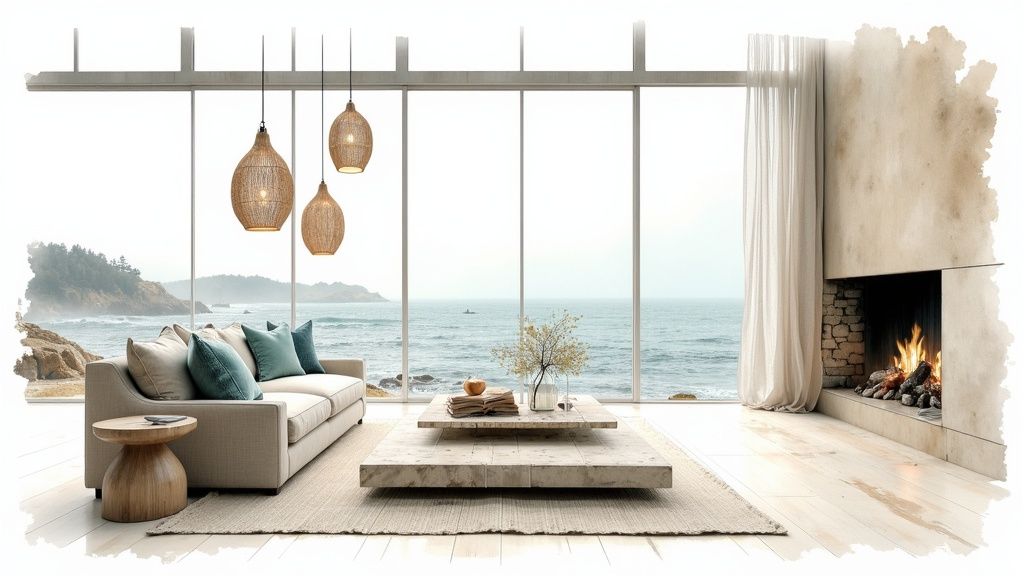
Are you planning a home refresh this season? This guide looks at the top coastal renovation trends to watch this winter. It offers ideas for homeowners in Monterey, the Bay Area, and other California spots. In Northern California, the cooler, quieter months are becoming the best time for homeowners to update their living spaces. With fewer tourists and more available contractors, winter is a great chance to improve your home's comfort, function, and style before spring.
This trend means homeowners are choosing to invest in their current properties. They are focusing on updates that mix timeless beauty with lasting value. The demand for quality materials like marble, quartz, and porcelain is rising for both cozy indoor rooms and outdoor spaces ready for spring. For those thinking about renovations in prime coastal locations, looking at ideas for areas like coastal home upgrades in Newport Beach can give you more specific inspiration.
At Carmel Stone Imports, our showrooms in Carmel, Sand City, and Palo Alto are seeing more people eager to start their projects. This article will show you the most popular trends to help you create a coastal home that’s ready for any season. We will cover everything from new saltwater-resistant materials to smart drainage systems.
1. Warm Neutrals & Sea-Glass Hues
This winter, a big trend in coastal renovation is moving away from the bright, all-white rooms of the past. Homeowners and designers are now using warmer, more inviting colors. These colors remind you of the calm, soft beauty of a winter beach along the Monterey coast.
This trend is all about creating a space that feels both elegant and very relaxing. By using a base of soft, earthy neutrals, you create a room that is perfect for cozy indoor gatherings during the colder months.
The Palette: Earthy Foundations with Coastal Accents
The main idea of this trend is its mix of subtle colors. Instead of pure whites, the new coastal look is layered and rich.
- Warm Neutrals: Think of sandy beiges, soft off-whites, and gentle taupes. These colors make a calming background and create a sense of light without feeling cold.
- Sea-Glass Hues: Accent colors are taken right from the sea. Look for dusty blues and pale, misty greens that look like sea glass smoothed by the waves.
This mix creates a room that feels connected to nature while still being elegant. The goal is to design a space that feels like a warm hug on a cool, foggy morning.
Implementation in Stone
The best way to use this trend is by choosing your materials carefully. Natural stone is the perfect way to layer these soft colors and add organic texture.
- Kitchens: Pair creamy Calacatta Gold marble countertops with light oak cabinets for a warm and welcoming kitchen.
- Bathrooms: Use honed French limestone for floors and add a feature wall with a pale green glass mosaic tile for a spa-like feel.
- Living Spaces: A fireplace surround made from a warm, veined quartzite slab becomes a beautiful and cozy centerpiece.
By picking stones with rich undertones, you can build a layered, interesting design. For more ideas on this classic stone, you can explore the varieties of marble to see how its veins can match this color scheme.
2. Climate-Responsive Fenestration Systems
Protecting a coastal home from bad weather without blocking beautiful views is a big challenge. That's why one of the most practical coastal renovation trends to watch this winter is using climate-responsive windows and doors. Homeowners are now choosing advanced systems made to stand up to salt spray, high winds, and moisture while also saving energy.
This trend is about making your home a tough and comfortable place, no matter the weather outside. By choosing windows and doors designed for the coast, you protect your home from storm damage. You also create a sealed home that stays warm during cool, damp months.
The Technology: Resilience Meets Performance
This trend focuses on special features that handle the unique needs of a seaside home. Modern systems offer many layers of defense against harsh coastal weather.
- Impact-Resistant Glazing: Laminated glass that is made to resist breaking from flying debris during storms is a key part of this trend.
- Advanced Weathersealing: High-quality seals stop wind-driven rain and salty air from getting inside. This protects your home’s interior and improves insulation.
- Smart Thermal Management: Features like thermal breaks in frames and low-emissivity (low-E) coatings help control heat. This keeps homes warmer in winter and cooler in summer.
These features make a home that is not only safer but also saves more energy and is more comfortable all year.
Implementation in Coastal Design
To use this trend well, you need to choose the right products and styles for your home. These systems are not just about function; they are also important design pieces.
- Living Spaces: In a Malibu great room, large sliding glass doors can frame ocean views while providing certified storm protection.
- Bedrooms: For a beachfront home in Miami, Pella Impact-Resistant windows offer strong defense in High Velocity Hurricane Zones (HVHZ).
- Historic Homes: In traditional Charleston homes, Andersen 400 Series windows with special salt-resistant hardware keep the classic look without giving up modern performance.
By choosing windows and doors with coastal ratings, you make sure your renovation investment will last. It is important to check for HVHZ certifications for storm-prone areas and choose low-E coatings to protect your furniture from UV damage.
3. Elevated Foundation and Flood-Resilient Design
With winter storms and rising sea levels being a bigger worry for coastal towns, another key trend is flood-resilient home design. Homeowners are looking for long-term solutions that protect their properties.
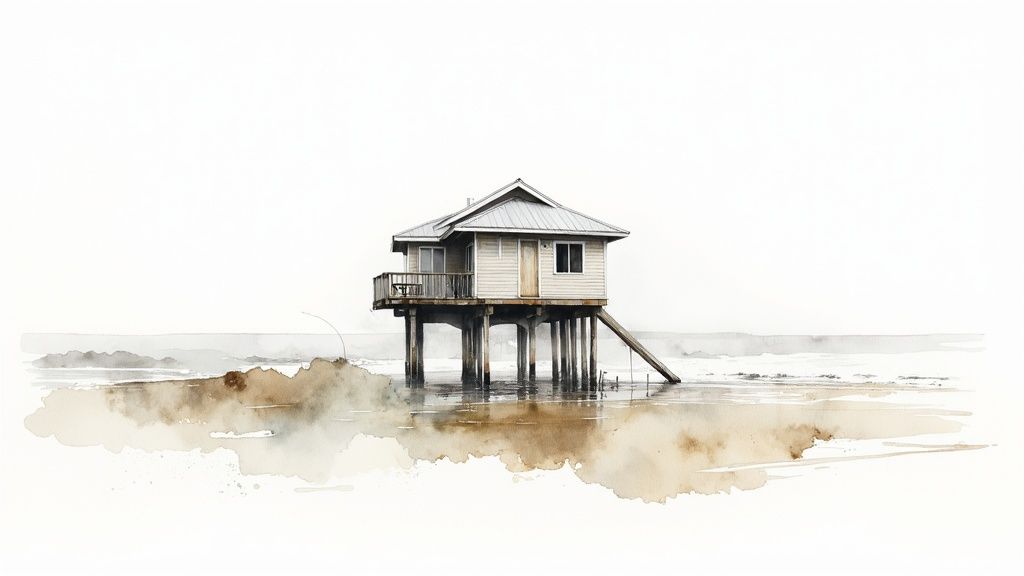
This trend focuses on managing water instead of just trying to block it. By raising living spaces and using materials that can handle moisture, homeowners in areas like Monterey and the Bay Area can feel secure without giving up style.
The Palette: Durable and Water-Resistant Materials
The main idea is to build a strong lower level that can handle possible flooding. The materials chosen are practical, durable, and look good in a coastal setting.
- Structural Materials: Reinforced concrete, steel pilings, and pressure-treated lumber are used to create the raised foundation.
- Ground-Level Finishes: The non-living spaces below are finished with water-resistant materials like marine-grade polymers and, most importantly, durable natural stone.
The goal is to create a structure that lets water pass through its lower level with little damage, protecting the main living areas above.
Implementation in Stone
Natural stone is a great material for the ground level of a raised home because it is strong and resists water damage. It gives a beautiful, practical finish to these exposed areas.
- Entryways and Storage: Use large-format porcelain pavers or tough slate tiles for ground-floor utility areas. They are easy to clean after being exposed to water.
- Outdoor Showers and Patios: Travertine and some types of limestone are great for covered outdoor spaces under the home. They offer a slip-resistant and weather-proof surface.
- Foundation Cladding: Covering the raised foundation piers or walls with natural stone veneer adds a stylish, permanent look that helps the structure blend into the landscape.
By choosing the right materials, you can make sure your home's foundation is as beautiful as it is strong. For more ideas on weather-resistant surfaces, you can learn more about the best outdoor stone surfaces for California's wet season.
4. Smart Drainage and Water Management Systems
As winter brings more rain to coastal areas like Monterey and the Bay Area, managing rainwater becomes very important. This season, a key trend is using smart drainage systems to protect landscaping and foundations from water damage.
This trend is about more than just old-fashioned gutters and drains. It uses solutions that work with the natural environment. The goal is to create a property that can handle seasonal rain well and also help the local ecosystem.
The Palette: Permeable Surfaces and Native Greenery
The core of this trend is mixing nice-looking materials with practical, eco-friendly design. Instead of just moving water away, these systems absorb and filter it on the property.
- Permeable Surfaces: Materials like permeable pavers and decomposed granite let rainwater soak into the ground instead of running off. This reduces runoff and helps refill groundwater.
- Green Infrastructure: Features like rain gardens and bioswales use native, salt-tolerant plants to soak up and filter stormwater. These add natural beauty while doing an important job.
This combination creates a landscape that is both beautiful and useful. It turns heavy winter rain from a problem into something that can help your property.
Implementation in Stone
Natural stone and engineered surfaces play a big part in creating effective and elegant drainage solutions. They can improve your home’s exterior design.
- Driveways and Walkways: Use permeable pavers or spaced natural stone slabs with gravel between them to let water soak in. This reduces runoff from these large areas.
- Patios and Pool Decks: Choose porous materials like travertine or certain limestones for patios. These materials help manage water while being a durable, slip-resistant surface.
- Landscape Edging: Use durable stone borders around rain gardens and bioswales to create a clean, defined look.
By using these materials thoughtfully, you can build a strong system for managing water. To learn how different stones can fit into a sustainable design, you can find more about sustainable stone ideas for modern California homes.
5. Thermal Envelope Upgrades for Winter Performance
Besides looks, a key coastal renovation trend this winter is focusing on home comfort. Homeowners are investing in upgrades to their home's "thermal envelope." This creates a home that is not just beautiful but also stands up to damp, chilly coastal air.
This trend is about the need for a well-sealed and insulated home. This is vital for comfort and energy savings during the cooler, wetter months along the California coast. By improving the home's "envelope," or the barrier between inside and outside, you can greatly reduce heat loss and stop moisture from getting in.
The Science: Sealing and Insulating
A high-performance thermal envelope is made by using two steps that work together to protect your home. This strategy is about creating a complete, unbroken barrier.
- Air Sealing: The first step is to get rid of drafts and air leaks. This means sealing gaps, cracks, and openings in the walls, attic, and foundation to create a solid air barrier.
- Insulation: Once the home is airtight, good-quality insulation is added to the walls, floors, and ceilings. This slows down heat transfer, keeping warm air in and cold air out.
This combination keeps your living space comfortable and energy-efficient, even during a winter storm. The goal is to build a strong shell that protects your indoor environment and its nice finishes.
Implementation for Coastal Homes
Upgrading a thermal envelope needs a professional, step-by-step approach. It is not a quick fix but a deep, structural improvement that adds a lot of long-term value.
- Professional Audits: Start with a professional energy audit, including a blower door test, to find exactly where air leaks and insulation problems are.
- Strategic Upgrades: Based on the audit, decide which upgrades to do first. Often, sealing the attic and crawl spaces makes the biggest difference before moving to the outer walls.
- Material Selection: Use materials that are good for coastal climates, like closed-cell spray foam. It provides both insulation and a moisture barrier, which is important for stopping salt spray.
By investing in the parts of your home you can't see, you make sure your beautifully designed rooms are also comfortable, healthy, and sustainable all year.
6. Winter-Optimized Exterior Cladding and Siding
Protecting a coastal home from winter's harsh weather has always been important. A key trend this season is the move to advanced exterior materials that offer both great strength and stylish looks. Homeowners are choosing special siding made to handle coastal challenges, from salt spray to freezing and thawing, without losing curb appeal.
This trend is about strengthening your home’s first line of defense with materials that are as tough as they are beautiful. The goal is to create an exterior that can handle the stormiest weather and also improve the look of a modern coastal home for many years.
The Materials: Engineered for Coastal Endurance
The main idea of this trend is to choose siding that resists moisture, salt, and temperature changes. These modern materials are a big upgrade from older options that can rot, warp, or need constant upkeep in a marine environment.
- Advanced Composites: Fiber cement boards are a popular choice. They are made to be immune to rot, pests, and moisture damage from sea mist.
- Architectural Metals: Zinc cladding gives a sleek, modern look and develops a natural protective layer over time that stops rust.
- Sustainable Woods: Reclaimed or specially treated wood offers the warmth of natural materials with extra durability to prevent decay.
This mix of performance and style is key to winter-proofing a home. When thinking about eco-friendly choices, looking at sustainable window options can match this focus on natural and responsibly sourced materials.
Implementation for Lasting Curb Appeal
Using these materials well involves choosing the right product for your home's style and location. There is a solution for every look, from modern designs to classic styles.
- Modern Coastal: Pair dark zinc panels with large windows and a natural stone entryway to create a dramatic, strong facade.
- Classic Nantucket: Use reclaimed barn wood as an accent on gables or covered porches, combined with high-performance fiber cement shingles for the main house.
- Pacific Northwest: A mix of metal shingle systems and fiber cement siding provides a layered, textured look that stands up to the area's heavy rain and sea air.
By investing in high-quality exterior materials, you create a strong and stylish shield for your home. You can learn more about creating a durable exterior by exploring options for an outdoor stone tile wall.
7. Integrated Outdoor Living Protection Systems
Making outdoor spaces more usable is a big focus in coastal design. This winter, the trend is about more than just simple patio covers. Homeowners are now investing in advanced systems that offer protection from wind, rain, and cold while staying strong in storms and keeping ocean views. This approach turns patios and decks into true four-season living areas.
This trend is about creating a smooth flow between indoors and out. It lets you enjoy your property’s natural beauty without being bothered by the weather. By adding automated screens, heated floors, and retractable roofs, you can create an outdoor space that is as comfortable in January as it is in July.
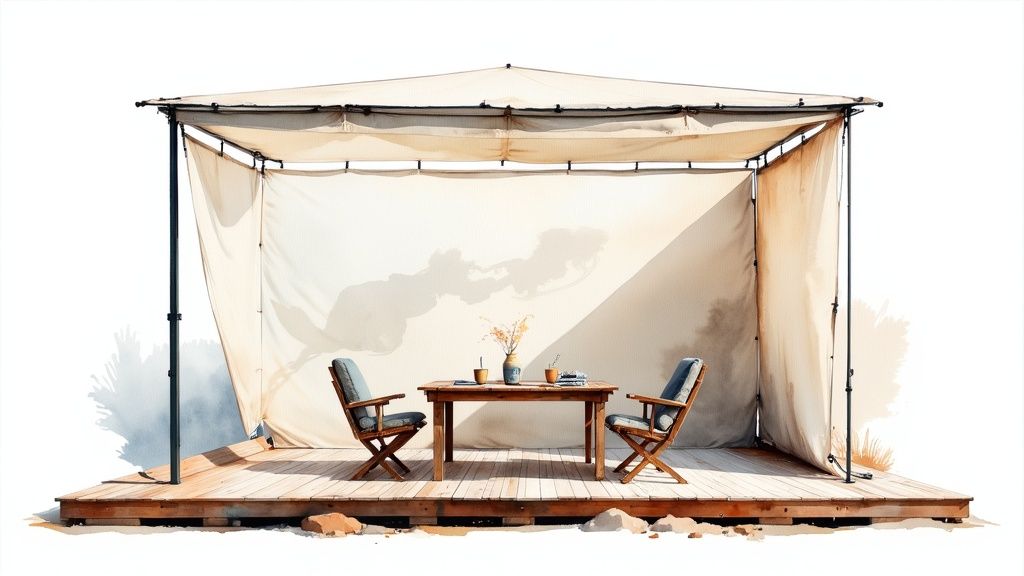
The Systems: Shelter and Comfort on Command
The main idea of this trend is its mix of technology and design. These systems are made to handle tough coastal conditions, including salt spray and high winds.
- Retractable Hurricane-Rated Screens: Motorized screens can be lowered to block wind and rain. Many are available in clear, impact-resistant materials that keep your views while offering strong protection.
- Heated Elements: Built-in radiant heaters for floors and ceilings, along with heated outdoor furniture, make spaces comfortable even on cold winter nights.
- Automated Shelter Systems: Retractable glass roofs and motorized pergolas offer flexible coverage. They can be opened on sunny days and quickly closed when a storm approaches.
These features create a flexible outdoor room that adjusts to changing weather. This extends its use throughout the year.
Implementation for Coastal Resilience
To do this trend well, you must focus on durability and making it blend with your home’s design. Material choices for flooring and structure are very important.
- Patios and Decks: Use large, slip-resistant porcelain pavers or durable natural stones like travertine. These materials work well with heated floors and can handle heavy use and coastal moisture.
- Entertainment Areas: Build a protected outdoor kitchen or dining area using marine-grade hardware and weather-resistant stone countertops. A strong stone foundation will last against the elements.
- Weather-Sensing Integration: Connect motorized screens and roofs to a local weather system so they close automatically during high winds or rain.
By combining high-tech protection with durable, elegant stone surfaces, you can create a truly useful and beautiful outdoor living space.
8. Salt-Tolerant Landscaping and Winter Plantings
As coastal homeowners want to connect their indoor and outdoor living areas, a big winter renovation trend is smart, tough landscaping. This approach is about more than just looks. It focuses on creating a landscape that is in harmony with nature and beautiful all year, even with harsh winter salt spray and storms.
This trend is about creating an outdoor space that is not only beautiful but also smart and sustainable. By choosing native, salt-tolerant plants and planning for winter beauty, homeowners can make sure their coastal gardens in places like Monterey thrive through the colder months. This protects their property and makes it look great.
The Palette: Hardy Natives with Year-Round Structure
The main idea of this trend is choosing plants that are naturally suited to the tough coastal environment. This means picking plants that are strong without giving up shape, color, or texture.
- Salt-Tolerant Species: Focus on native plants that can handle salt spray from winter storms. Think of seaside goldenrod, beach plum, and bayberry, which create natural, strong hedges.
- Winter-Interest Plantings: Include plants that look good after summer flowers are gone. Plants with interesting bark, berries that last, or strong shapes provide structure and color in a quiet winter landscape.
This mix results in a garden that feels connected to its coastal location. The goal is to design a landscape that is both a beautiful retreat and a practical shield against the weather.
Implementation in Landscape Design
A successful salt-tolerant landscape needs careful planning and plant choices suited to the specific location. This is not just about planting; it's about creating a strong ecosystem.
- Protective Barriers: Use hardy native shrubs like beach plum to create natural windbreaks. Planting these at least 30 feet from buildings helps block salt spray before it reaches more delicate plants or your home.
- Groundcover Solutions: Replace grass with salt-tolerant groundcovers like Bearberry or coastal sedums. These options use less water and can handle salty conditions better.
- Root Protection: Put a thick layer of mulch, about four inches deep, down before winter. This insulates plant roots, saves moisture, and stops salt from getting into the soil and causing damage.
By talking with local native plant groups, you can find the perfect plants for your area. This will help your landscape thrive for years to come.
Frequently Asked Questions
As you think about your project, you might have some questions. Here are answers to a few common ones we hear at our Carmel, Sand City, and Palo Alto showrooms.
Why is winter a good time to plan a renovation in the Bay Area?
Winter is often a slower season for construction. This can mean that top contractors and designers have more availability. Planning your project now lets you choose materials and get ready for a smooth start before the busy spring and summer.
What’s the best stone for a coastal home?
For coastal homes, being durable is most important. We often suggest quartzite for kitchen countertops because it's very hard and resists etching. For floors and outdoor areas, dense limestone and travertine are great choices that hold up well to weather.
Is natural stone a sustainable choice?
Yes, natural stone is a great sustainable option. It is a long-lasting material from the earth and has a low impact on indoor air quality. Its timeless beauty means you won't need to replace it for many years, which reduces waste.
How do I choose between a honed and a polished finish?
A polished finish is shiny and brings out the stone's color, but it can show scratches more easily. A honed finish is a matte, non-shiny surface that helps hide small flaws and has a softer, more modern look.
Can I use the same stone indoors and outdoors?
Yes, you often can! Many types of porcelain, limestone, and travertine work for both inside and outside, creating a smooth flow. It is important to choose a stone that is rated for outdoor use and has a non-slip finish for safety.
Ready to bring these coastal renovation trends to life in your home? The team at Carmel Stone Imports has the expertise and large inventory to help you select the perfect materials. Visit one of our showrooms in Carmel, Sand City, or Palo Alto, or explore our collection online at Carmel Stone Imports to get started today.