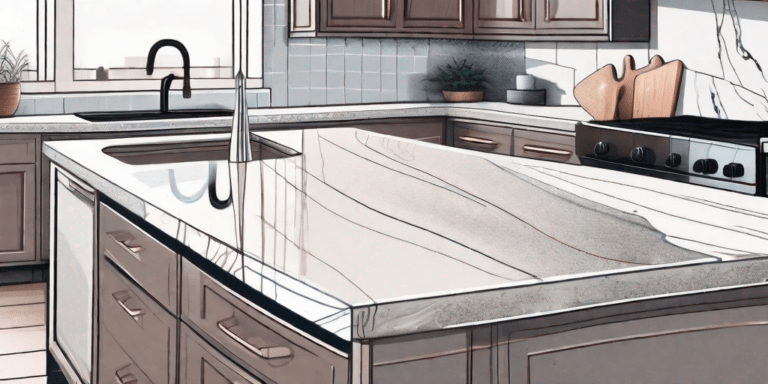
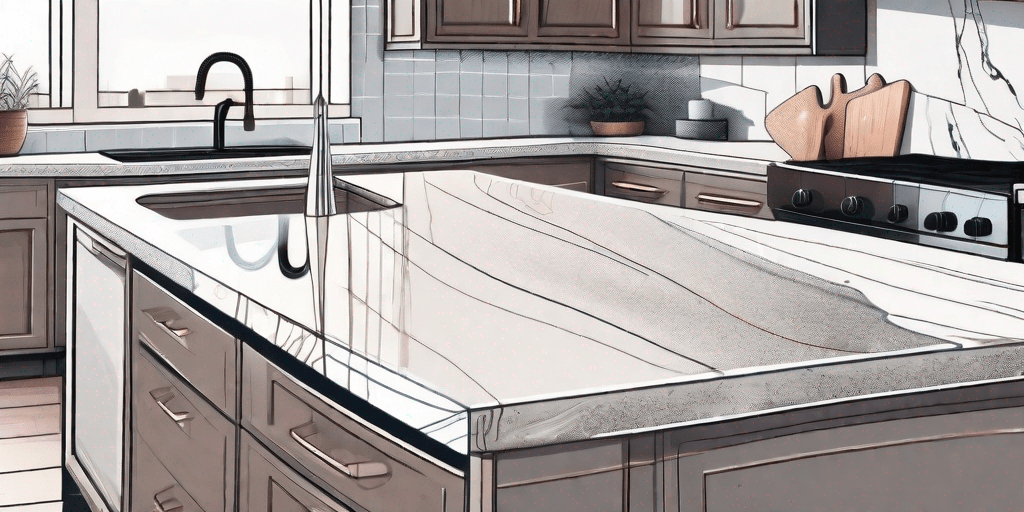
Quartz countertops have become increasingly popular in modern kitchens due to their durability and aesthetic appeal. However, it is vital to understand how to properly clean and maintain them to ensure their longevity and preserve their stunning appearance. This comprehensive guide will delve into the best practices for cleaning quartz countertops, including daily maintenance routines and deep cleaning techniques. Let’s begin by exploring the composition of these exquisite countertops and why they require special care.
Understanding Quartz Countertops
Before we begin the cleaning process, it is essential to understand quartz countertops. Unlike natural stone countertops such as granite or marble, quartz countertops are engineered products composed of approximately 93% natural quartz crystals and 7% resins and pigments. This unique composition makes them highly durable, non-porous, and resistant to stains and scratches. However, despite their remarkable qualities, quartz countertops require special care to maintain their pristine condition.
The Composition of Quartz Countertops
As mentioned earlier, quartz countertops are primarily made of natural quartz crystals, one of the hardest minerals found in nature. These crystals are combined with resins and pigments to create a strong and beautiful surface. The addition of resins enhances durability and makes the countertops less prone to cracks and chips. Additionally, the pigments provide a wide range of color options, allowing homeowners to choose countertops that perfectly complement their kitchen decor.
Quartz countertops are engineered to have a consistent and uniform appearance. Unlike natural stone, which can have variations in color and pattern, quartz countertops offer a more controlled and predictable aesthetic. This makes them ideal for homeowners who prefer a sleek and modern look in their kitchen.
Furthermore, quartz countertops’ non-porous nature makes them highly resistant to bacteria and other harmful microorganisms. This makes them a hygienic choice for food preparation areas, as they are less likely to harbor germs and contaminants. Additionally, the non-porous surface prevents liquids and stains from seeping into the material, making cleanup a breeze.
Why Quartz Countertops Need Special Care
Despite their ability to withstand daily wear and tear, quartz countertops can be damaged if exposed to harsh cleaning agents or improper cleaning techniques. The resins used during manufacturing can be negatively affected by acidic or abrasive substances. This is why it is crucial to use gentle cleaning products and avoid tools that can scratch or dull the surface.
When cleaning quartz countertops, it is best to stick to mild soap and warm water. Avoid harsh chemicals or abrasive cleaners, as they can cause the surface to lose its shine and luster. Instead, opt for a gentle cleanser designed explicitly for quartz surfaces. These cleansers are formulated to effectively remove dirt and grime without damaging the countertop.
In addition to regular cleaning, preventive measures are important to protect your quartz countertops. Use cutting boards and trivets when working with sharp objects or hot pans to prevent scratches and heat damage. Wipe up spills promptly to prevent staining, especially if the spill involves acidic substances like lemon juice or vinegar. By following these simple care instructions, you can keep your quartz countertops looking pristine for years to come.
Essential Cleaning Tools and Products
You must have the right tools and products to clean your quartz countertops effectively. Fortunately, you don’t need an extensive arsenal of cleaning supplies to achieve sparkling results. Here are a few essential items you’ll need:
Safe Cleaning Products for Quartz
When choosing cleaning products for quartz countertops, it is essential to opt for pH-neutral and non-abrasive solutions. Common household cleaners such as mild dish soap, water, and rubbing alcohol are excellent choices. These gentle yet effective cleaners will help remove dirt, grime, and stains without harming the quartz surface.
Additionally, specialized quartz cleaners are available in the market that are specifically formulated to maintain the beauty and integrity of quartz countertops. These cleaners are designed to provide a streak-free finish and are often infused with ingredients that enhance the natural shine of the quartz surface.
It is important to note that while vinegar is a famous natural cleaning agent, it is not recommended for quartz countertops. Vinegar’s acidic nature can potentially damage the resin binder and lead to discoloration. Therefore, sticking to pH-neutral options for safe and effective cleaning is best.
Tools to Avoid to Prevent Damage
To protect the glossy finish of your quartz countertops, avoid abrasive tools that can scratch or dull the surface. While it may be tempting to use scrub brushes with stiff bristles or steel wool for tough stains, these tools can cause irreversible damage to the quartz surface.
Instead, opt for soft microfiber cloths or gentle sponges. These tools are designed to be non-abrasive and will effectively clean the surface without leaving any scratches. Microfiber cloths are handy as they have tiny fibers that can easily trap and remove dirt particles, ensuring a thorough cleaning process.
In addition to microfiber cloths, you can consider using a soft-bristled brush specifically designed for delicate surfaces. These brushes have gentle bristles that won’t scratch the quartz and can be used to remove any stubborn stains or debris.
When using cleaning tools, it is essential to apply gentle pressure and avoid excessive scrubbing. Let the cleaning product do most of the work, and if needed, lightly scrub the surface in a circular motion to remove any stubborn residue.
By using the right cleaning products and tools, you can maintain the beauty and longevity of your quartz countertops. Regular cleaning and proper maintenance will ensure that your countertops remain pristine for years.
Daily Cleaning Routine for Quartz Countertops
Maintaining a daily cleaning routine is crucial to keep your quartz countertops looking their best. You can effectively remove dirt, grime, and stains by incorporating a few simple steps into your daily regimen. Let’s walk through the process:
Steps for Daily Cleaning
- Start by wiping down the countertop with a damp microfiber cloth or sponge.
- Add a small amount of mild dish soap to warm water and create a soapy solution.
- Gently scrub the countertop using the soapy solution and a soft cloth, targeting areas with visible dirt or stains.
- Rinse the countertop thoroughly with clean water to remove any soap residue.
- Dry the surface with a clean microfiber cloth to prevent water spots and streaks.
Importance of Regular Maintenance
Consistency is key to maintaining the beauty of your quartz countertops. By incorporating a daily cleaning routine into your schedule, you can easily prevent the buildup of dirt, grime, and stains. Additionally, regular maintenance helps to preserve the shine and luster of the quartz surface, ensuring it remains a focal point of your kitchen for years to come.
Deep Cleaning Quartz Countertops
While regular daily cleaning goes a long way in maintaining the appearance of your quartz countertops, occasionally, a deep cleaning session is necessary to remove stubborn stains or built-up residue. Let’s explore when and why deep cleaning is required, along with a step-by-step guide to effectively deep clean your countertops.
When and Why Deep Cleaning is Necessary
Deep cleaning is essential when regular cleaning methods fail to remove stubborn stains or noticeable discoloration on the countertop’s surface. Over time, quartz countertops may accumulate residues, grease, or hard water stains that require a more intensive cleaning approach. Regularly deep cleaning your quartz countertops will help restore their original shine and ensure they continue to impress.
Step-by-Step Guide to Deep Cleaning
- Remove loose debris or crumbs from the countertop’s surface using a soft cloth or sponge.
- Combine baking soda and water in a small bowl to create a paste. The mixture should have a creamy consistency.
- Apply the baking soda paste to the stained or discolored countertop areas.
- Gently scrub the paste into the surface using a soft cloth or non-abrasive sponge, moving in a circular motion.
- Leave the paste on the surface for approximately 10 minutes to allow it to penetrate the stains.
- Rinse the countertop thoroughly with clean water to remove the baking soda paste.
- Dry the surface with a clean cloth to prevent water spots or streaks.
Dealing with Tough Stains on Quartz
Despite your best efforts, tough stains may find their way onto your quartz countertops. Whether it’s coffee, red wine, or oil-based stains, addressing them promptly and appropriately is crucial. Let’s explore various types of stains and effective treatments for each.
Types of Stains and Their Treatments
Coffee or Tea Stains: For coffee or tea stains, create a mixture of hydrogen peroxide and water. Apply the mixture to the stained area and allow it to sit for a few minutes before rinsing and drying.
Red Wine Stains: To tackle red wine stains, mix baking soda with water to create a paste. Apply the paste to the stain and gently scrub with a soft cloth. Rinse thoroughly and dry the surface.
Grease or Oil Stains: Begin by blotting the stain with a paper towel to remove any excess grease or oil. Next, create a paste using dish soap and warm water. Apply the paste to the stain and gently scrub with a soft cloth. Rinse the area thoroughly and dry.
Preventing Stains on Quartz Countertops
Prevention is always better than cure, especially when protecting your quartz countertops from stains. To minimize the risk of staining, clean up spills immediately and avoid leaving acidic or oily substances on the surface for extended periods. Regularly blotting and wiping down the countertop after each use will also help maintain its pristine appearance.
Following expert tips and techniques, you can confidently clean and maintain your quartz countertops, ensuring they remain a beautiful centerpiece in your kitchen for years.